
 Post by
Solar energy is one of the fastest-growing sources of power globally and for good reason. It’s clean, renewable, and increasingly cost-effective.
However, many people are only familiar with one form of solar technology: rooftop panels. In reality, solar energy exists in multiple forms, each serving a unique purpose.
Understanding these types can help individuals and businesses make smarter, more efficient energy decisions.


1. Photovoltaic (PV) Solar Energy
Photovoltaic (PV) systems are the most widely used form of solar technology.
They work by converting sunlight directly into electricity using solar panels made of semiconductor materials.
Common Uses:
Residential homes
Commercial buildings
Off-grid systems
Why It’s Important:
PV systems provide reliable electricity and are ideal for reducing dependence on unstable power grids and rising electricity costs.
2. Solar Thermal Energy (STE)
Solar Thermal Energy systems use sunlight to generate heat rather than electricity.
This heat can be used directly or converted into energy for specific applications.
Common Uses:
- Water heating systems
- Space heating
- Industrial processes
Why It’s Important:
STE systems are highly efficient for heating purposes and are often more cost-effective than electric heating methods.
3. Concentrated Solar Power (CSP)
Concentrated Solar Power systems use mirrors or lenses to focus sunlight onto a small area, generating high temperatures that produce steam to drive turbines and generate electricity.
Common Uses:
- Utility-scale power plants
- Large energy projects.
Why It’s Important:
CSP is ideal for large-scale electricity generation and can include energy storage, allowing power generation even when the sun is not shining.
4. Passive Solar Energy
Passive solar energy doesn’t rely on mechanical systems or devices. Instead, it uses building design to naturally collect, store, and distribute solar heat.
Examples:
Strategic window placement
Thermal mass materials (like concrete or stone)
Proper insulation
Why It’s Important:
It reduces energy consumption without additional technology costs, making buildings more energy-efficient and environmentally friendly.
5. Building-Integrated Photovoltaics (BIPV)
Building-Integrated Photovoltaics (BIPV) seamlessly incorporate solar panels into building materials such as roofs, facades, or windows.
Common Uses:
Modern architectural designs
Commercial buildings
High-end residential projects
Why It’s Important:
BIPV combines functionality with aesthetics, allowing buildings to generate power without compromising design.
Why Understanding These Types Matters
Solar energy is not a one-size-fits-all solution. Each type serves different needs:
Homes may benefit most from PV and solar water heating
Industries may rely on thermal systems
Large-scale energy providers use CSP
Architects and developers can integrate BIPV and passive design
Choosing the right system can significantly impact:
- Cost savings
- Energy efficiency
- Long-term sustainability
How Maektech Power Solutions Can Help
At Maektech Power Solutions, we go beyond installation, we provide end-to-end energy solutions tailored to your needs.
We help you:
- Understand your energy requirements
- Select the most suitable solar technology
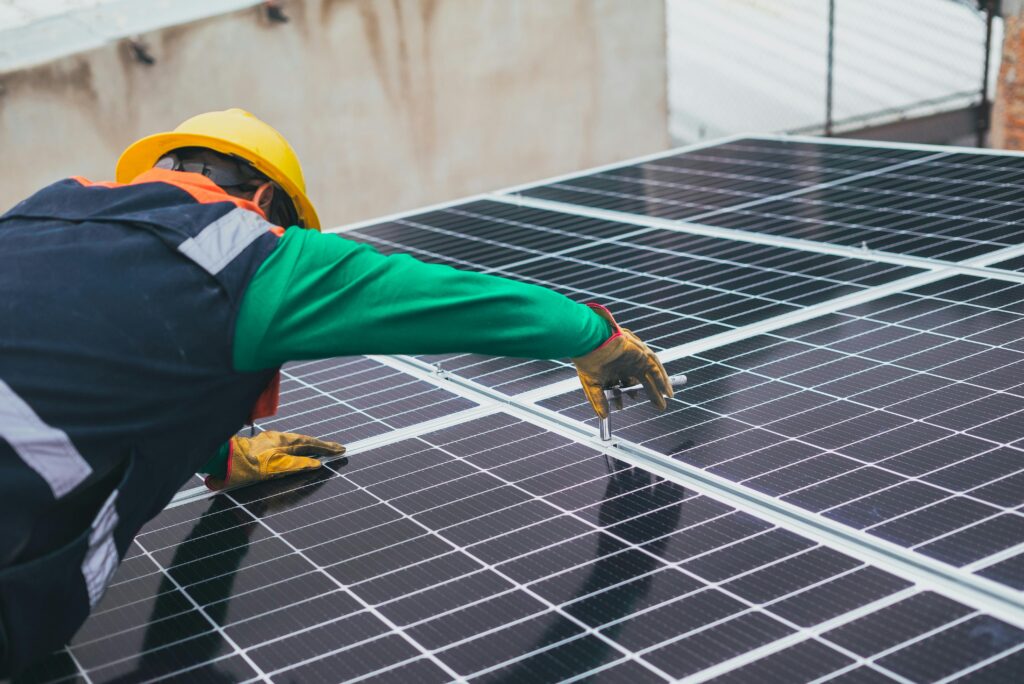
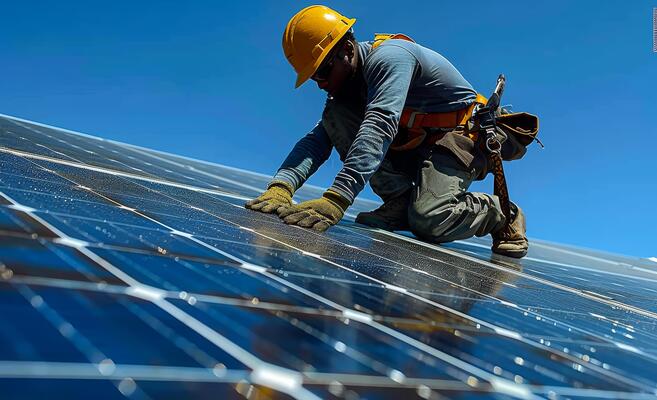
- Design and install efficient systems
- Maximize your return on investment
Conclusion
Solar energy is more versatile than most people realize. From powering homes to heating water and designing smarter buildings, the possibilities are extensive.
The key is choosing the right type of solar solution for your specific needs.
The future of energy is solar and it starts with the right knowledge and the right partner.