
 Post by
The Minister of Power told a Lagos media engagement this week that electricity subsidies will be phased out gradually, not suddenly, with full removal now pushed to 2027. “There is no plan to increase tariffs in the immediate term,” he said. It’s a reassuring line. It’s also worth checking against what the numbers underneath it actually show, claim by claim.
A subsidy bill that’s growing, not standing still
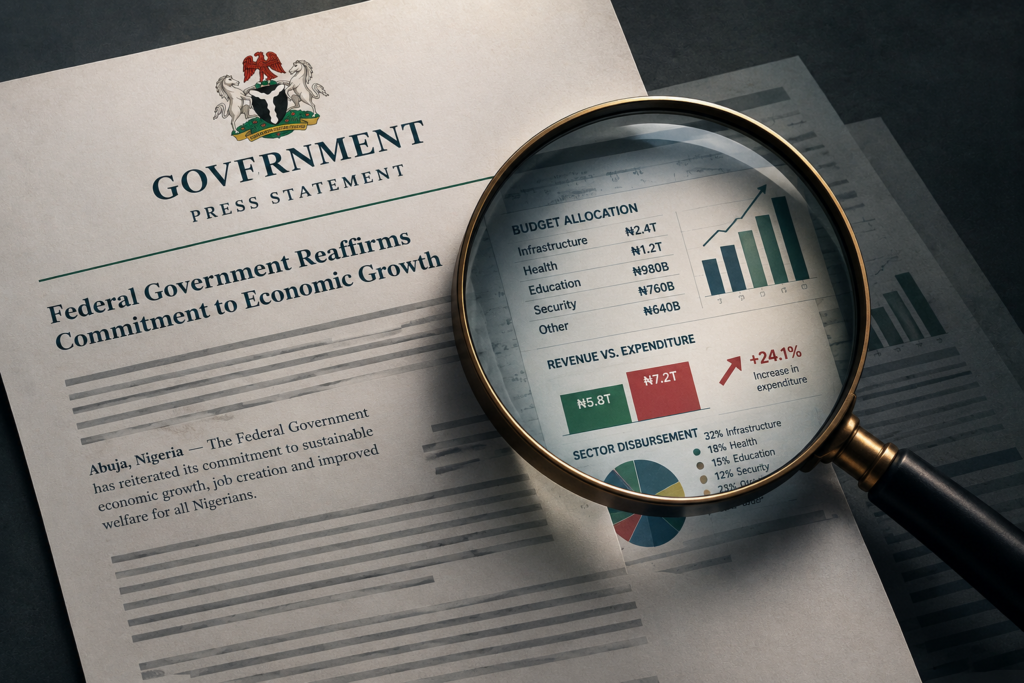
The promise of no immediate tariff hike sounds reassuring, but it doesn’t make the underlying cost disappear. The government absorbed ₦358.32 billion in generation costs in the first quarter of 2026 alone, covering just 52% of what GenCos were actually owed, and subsidy modelling from ZKJ Energy suggests genuinely cost-reflective tariffs would need to sit between ₦174 and ₦216 per kWh. Freezing tariffs simply means the government keeps absorbing that gap, quarter after quarter, at an accelerating cost.
Governance Strained enough To need emergency intervention
A transmission network that exists more on paper than in practice
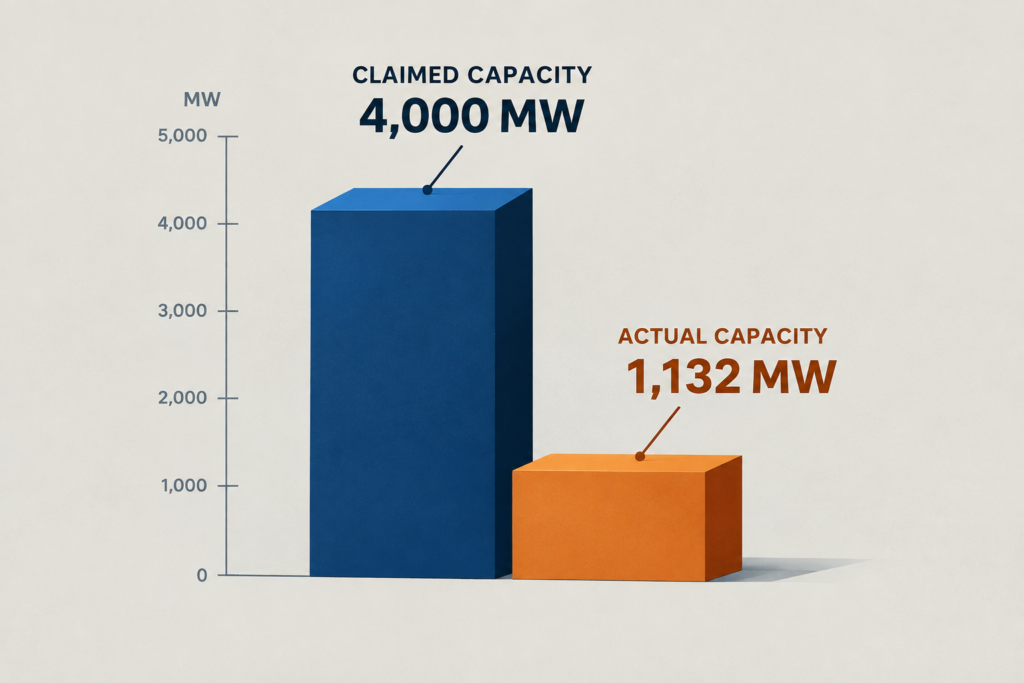
Ambitions to expand transmission capacity look different once you compare the modelling to what’s actually recorded. TCN’s real wheeling capacity sits at 5,801.84MW, despite simulated modelling claims of over 8,700MW. That’s not a small rounding gap — it’s the difference between a network that exists in a spreadsheet and one that exists on the ground.
the one claim that actually holds up
Not every part of the announcement falls apart under scrutiny. The Minister also secured a fresh commitment this week from Chinese partners for new power projects, and that part checks out on paper. Investment commitments are a genuinely positive sign — they’re also, historically in this sector, the easiest part of a plan to announce and the hardest part to see through to a household’s actual supply.
what does this pattern actually tell you
None of this means the subsidy delay announcement is dishonest — the minister may well be describing his own intentions accurately. What the numbers show is something more specific: even a well-intentioned “no tariff hikes, full removal later” plan is being built on top of a subsidy bill that’s growing, a transmission network that’s underperforming its own targets, and a distribution layer unstable enough to need emergency board sackings. A plan can be sincere and still be resting on shaky ground.
what doesn’t depend on how this actually plays out
Whether the subsidy phase-out lands smoothly in 2027, slips again, or arrives alongside a sudden tariff jump, a home generating and storing its own power isn’t exposed to any of those outcomes. That’s not a bet on the government being wrong — it’s simply not needing to guess right.
Get a free load assessment at the Maektech Online Shop, or reach out for a consultation. Announcements can shift. Your own supply doesn’t have to.