
 Post by
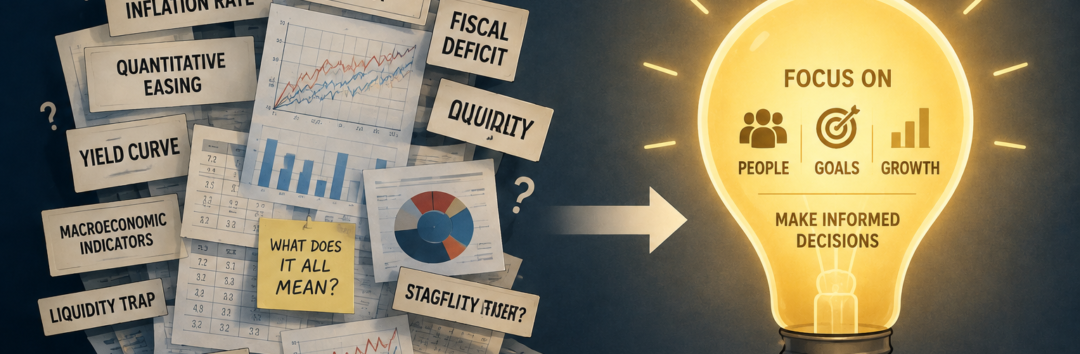
The National Bureau of Statistics released new GDP figures this week, and buried in the numbers is a statistic that matters more to your daily life than most headline economic data: Nigeria’s electricity, gas, steam, and air-conditioning supply sector contracted by 10.63% year-on-year in real terms in the second quarter of 2026. That’s the second consecutive quarterly decline, an improvement from Q1’s 15.30% drop, but still a shrinking sector.
If that sentence sounds like it needs its own translator, that’s fair. Here’s what it actually says, decoded.
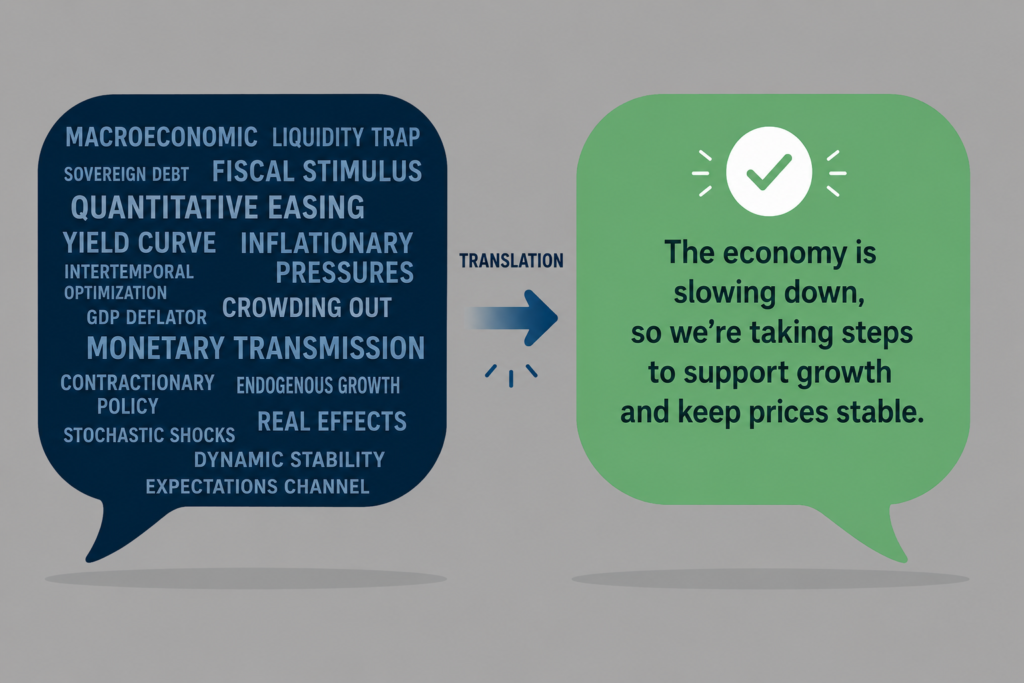
The jargon, translated
“Contracted 10.63% in real terms” → Even after adjusting for inflation, the actual amount of usable electricity and related output the sector produced went down compared to the same quarter last year. Not “grew more slowly.” Actually shrank.
“Nominal value rose from ₦324.83 billion to ₦1.26 trillion” → The naira figure attached to the sector jumped massively. That sounds like growth, but it isn’t — it mostly reflects inflation and pricing effects, not more electricity actually reaching people.
“Higher nominal values haven’t translated into stronger underlying activity” → This is the NBS’s own polite way of saying: don’t be fooled by the bigger naira number. The real story is a sector doing less, not more, even as the numbers attached to it look bigger on paper.
Why the sector is shrinking while everyone talks about billions in investment
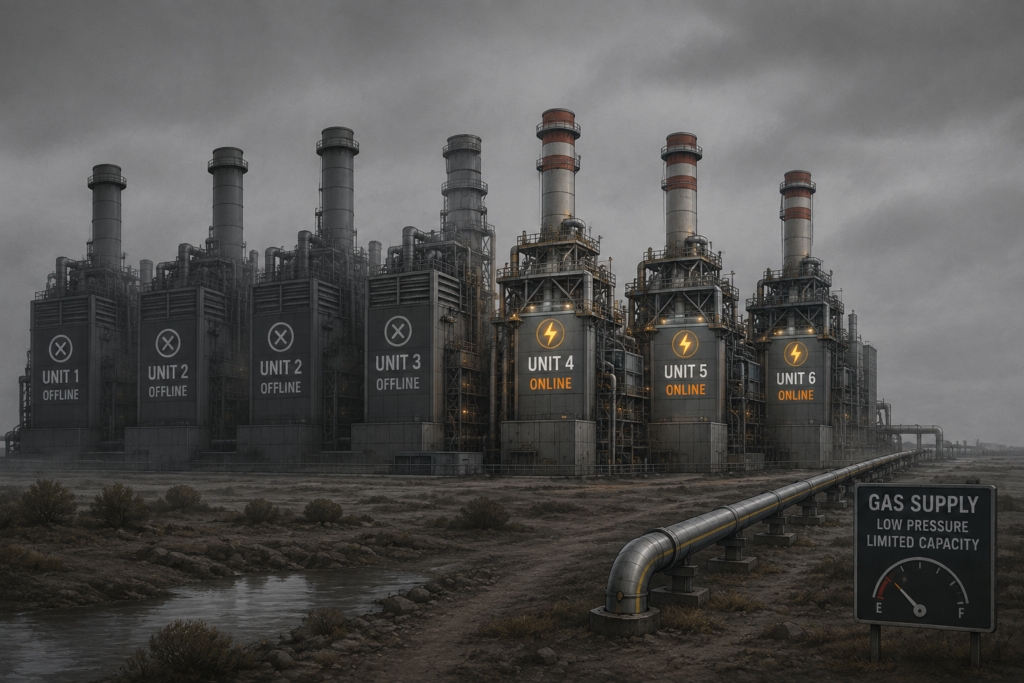
what “the sector is shrinking” feels like at home
Translated one more time, into the version that actually matters: fewer power plants running, less gas reaching the ones that are, and a debt pile getting bigger every month, all while the naira figures attached to the sector look impressive on a spreadsheet. None of that adds up to more reliable power reaching your house. If anything, it’s a fairly precise explanation for why it hasn’t felt that way.
What doesn’t make wait for the sector to turn around
A quarter like this one — real output down, structural debt up, capacity still sliding — isn’t the kind of thing that reverses in the next reporting period. Whatever reforms eventually work, they’re being layered onto a sector actively contracting right now, which is a longer road back than a sector merely growing slowly.
A household solar and battery system isn’t betting on which quarter the sector’s real output finally turns positive. It generates and stores its own supply regardless of what the next NBS report says.
Get a free load assessment at the Maektech Online Shop, or reach out for a consultation. The sector’s numbers can keep doing whatever they’re going to do — your household doesn’t have to wait on them.