
 Post by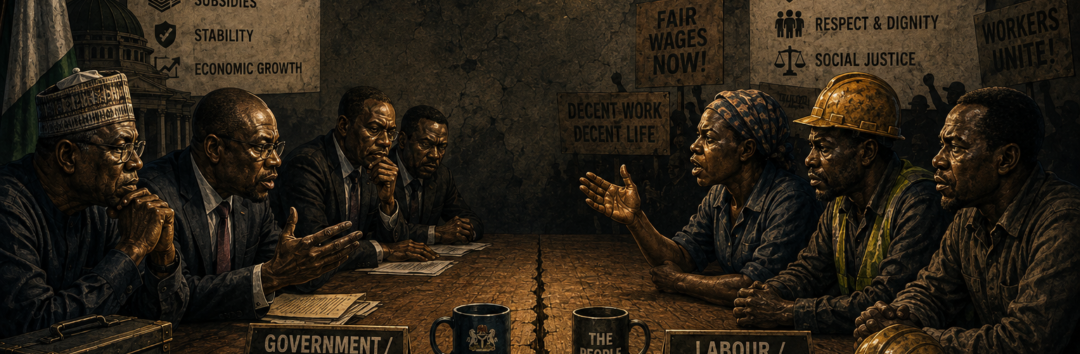
The Nigeria Labour Congress spent this week rejecting a proposed ₦6 trillion bailout for generation and distribution companies, calling it a subsidy for failed private operators rather than a real fix. The union wants what it’s calling a “People’s Power Roadmap” instead — electricity treated as a social service, not a commodity. The government, for its part, is still leaning on the existing model, even as distribution company revenue keeps falling and gas suppliers keep going underpaid.
It’s a real argument, worth having. But there’s a question sitting underneath it that neither side is really answering: however this gets resolved, what happens to your power supply while it’s being sorted out?
Why “who pays” isn’t the same question as “will it work”
Both sides of this debate are fundamentally arguing about financing structure — who funds the sector, and on what terms. That’s an important fight. But financing structure and day-to-day reliability aren’t the same thing, and Nigeria’s history makes that clear: the sector has already absorbed roughly ₦10 trillion over thirteen years, under more than one financing model, without generation capacity meaningfully catching up to demand.
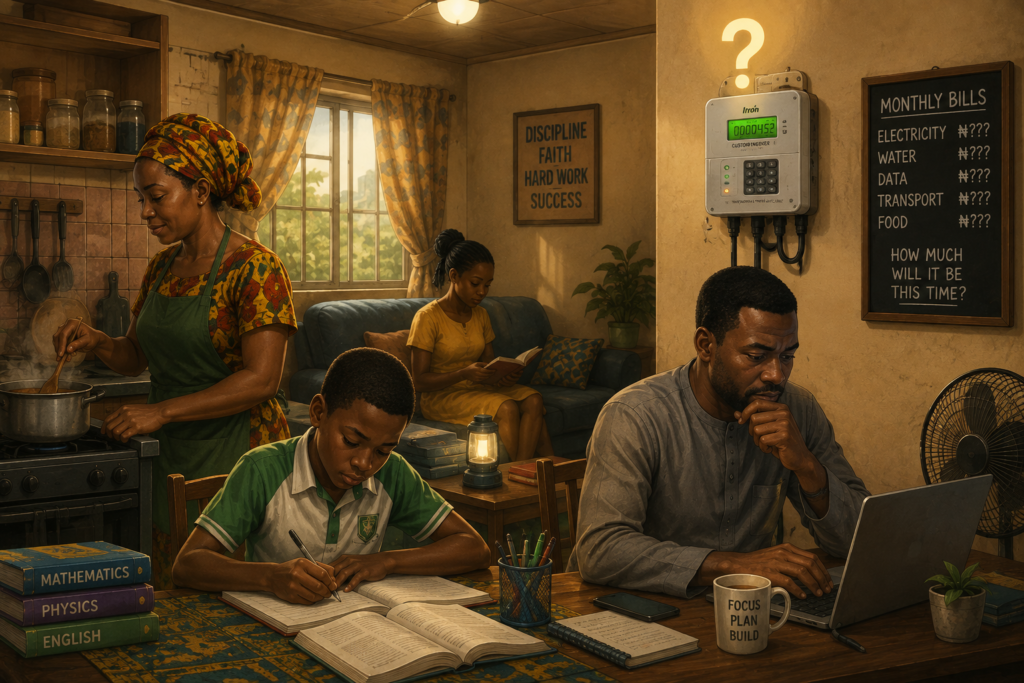
That’s not an argument that the current bailout debate doesn’t matter. It’s an argument that even the best possible outcome of that debate is, at minimum, a multi-year project — and your fridge, your Wi-Fi, and your kids’ evening study time aren’t on a multi-year timeline.
The debate will resolve. The gap in the meantime is real.
What actually closes that gap for a household
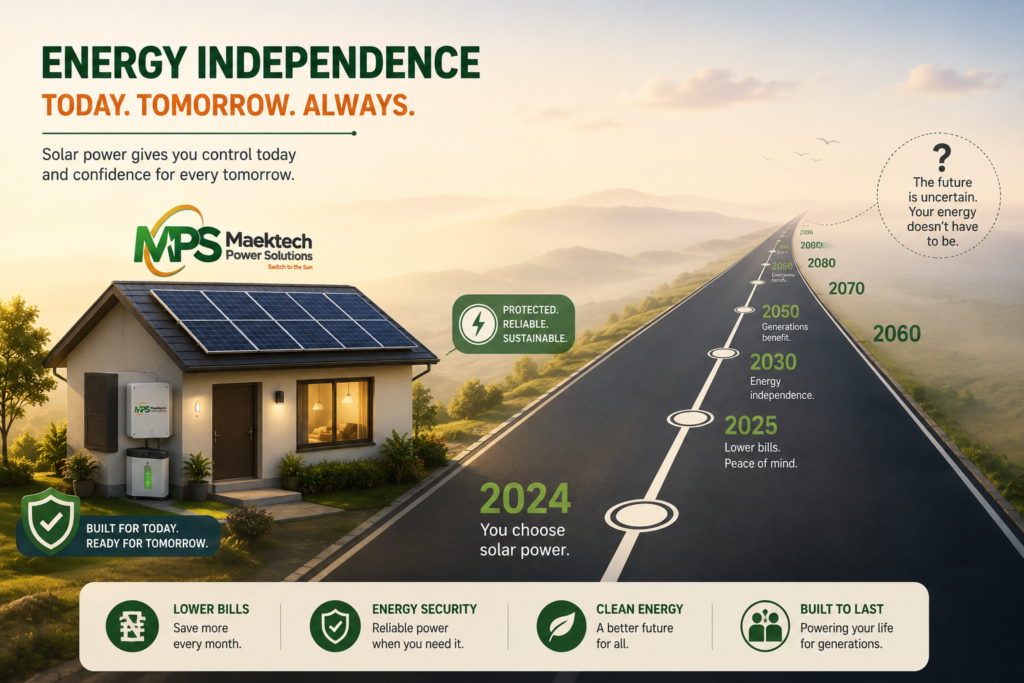
This isn’t an argument for tuning out the national conversation — it’s worth watching, because it will eventually shape tariffs, investment, and long-term reliability. But it is an argument for not waiting on it. A household solar and battery setup isn’t a bet on how the ₦6 trillion debate resolves. It works the same whether the bailout is approved, rejected, or replaced entirely, because it was never depending on that outcome in the first place.
The bottom Line
Nigeria needs this debate. The country also needs to be honest that even a good outcome doesn’t arrive quickly. If your household’s comfort has been riding on how a bailout fight in Abuja gets settled, that’s a longer wait than it needs to be.
Get a free load assessment at the Maektech Online Shop, or reach out for a consultation. You don’t have to wait for the sector to fix itself to fix your own supply.