
 Post by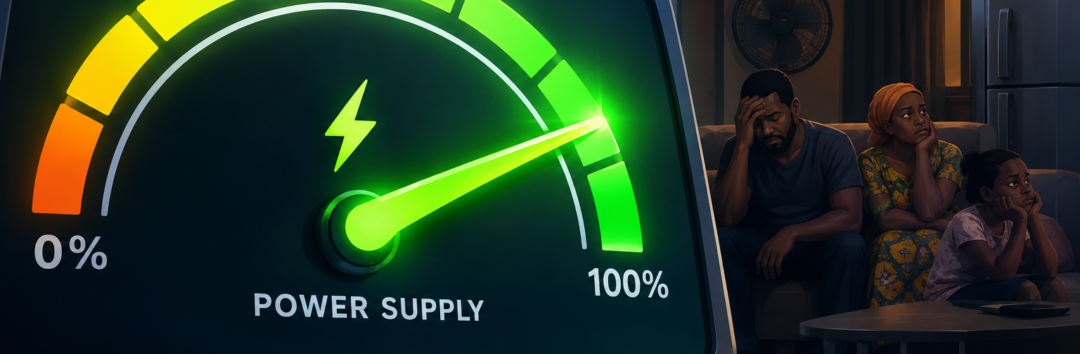
Two things happened in the same week, and they don’t fit together as neatly as either one sounds alone. On Tuesday, available generation hit 5,403.3MW — within roughly 399MW of Nigeria’s all-time peak of 5,801.84MW, set back in March 2025. Three days earlier, marking his first 100 days in office, Power Minister Joseph Tegbe posted an admission on his own X handle: many Nigerians are still without reliable electricity, and haven’t yet felt the impact of the reforms his office has been working on.
A record generation week and an honest admission that it isn’t reaching people, in the same seven days. Here’s where the gap actually is.
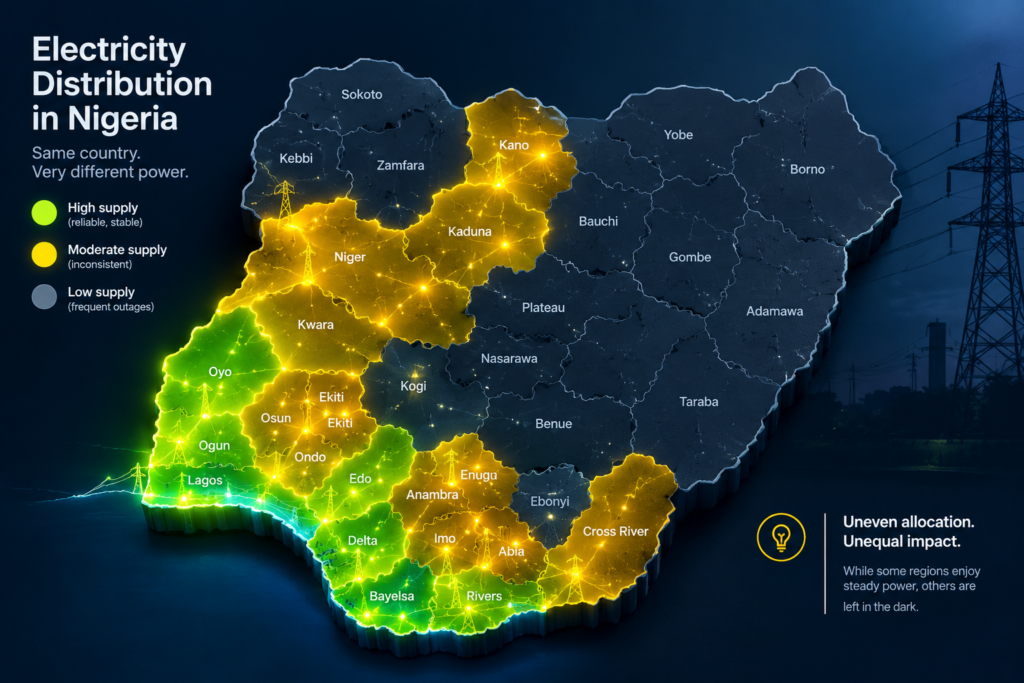
where the 5,403MW actually went
Of the 5,403.3MW generated on September 22nd, 4,379.07MW was allocated out to the country’s eleven distribution companies, and the split was far from even. Abuja received the largest share at 700MW, followed by Ikeja with 581MW, Ibadan with 550MW, and Benin with 531MW. Eko, Enugu, and Port Harcourt each received allocations in the 460–520MW range, while Kano, Kaduna, and Jos trailed behind at 134–161MW. Yola received just 70MW, meaning Abuja alone was allocated exactly ten times what Yola got.
A national record can be entirely true and still mean almost nothing to a household sitting under one of the smaller allocations on that list.
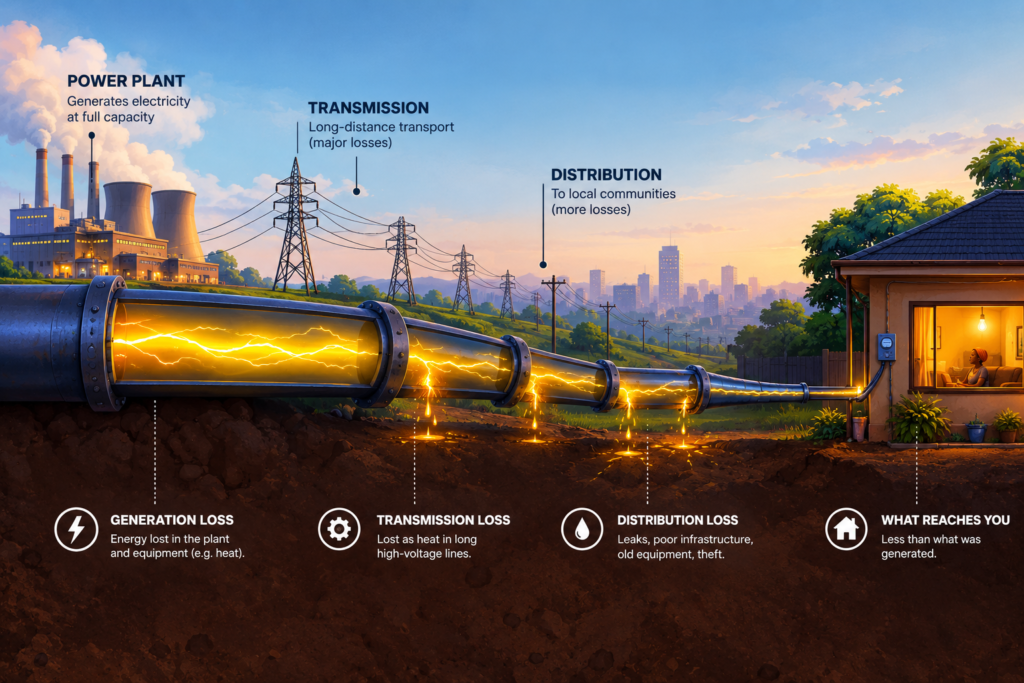
Why even a full allocation doesn’t arrive
Generation and allocation are also not the same thing as what actually reaches your meter. NERC’s own data puts commercial and collection losses among the DisCos at between 30 and 40 percent, meaning a meaningful share of whatever a distribution company is allocated never converts into billed, delivered power in the first place. Layer that onto an already uneven regional split, and a genuinely record national number can still translate into an ordinary, unreliable evening for a large share of the country.
what the minister actually got right
To his credit, Tegbe’s admission wasn’t spin, it’s a rare instance of a government official naming the gap between top-line numbers and lived experience out loud, rather than only citing the record figure. The restored 375MW Alaoji plant, offline for three years, is real progress, and it’s a legitimate part of why generation has climbed. It’s also, on its own, not enough to erase a distribution and collection system still losing a third or more of what it’s given.
what that means for a household deciding whether to wait
If your area happens to sit under a stronger allocation, a record week can feel real and welcome. If it doesn’t, the national headline was never really about you in the first place. Either way, a solar and battery system doesn’t depend on which DisCo table you fall into, or on losses happening somewhere upstream of your meter, it generates and stores on your own roof, regardless of how the national allocation table reads this week.
Get a free load assessment at the Maektech Online Shop, or reach out for a consultation. Let the national numbers set records. Make sure your own supply isn’t waiting on which line of the table you’re in.