
 Post by
Power Minister Joseph Tegbe shared a story this week that’s been making the rounds for good reason. Places that had no electricity at all for three months, he said, are now getting up to 18 hours of light a day — so much that residents have been calling him to joke that he should “slow down,” because everything in their freezers won’t stop freezing. It’s a genuinely charming anecdote, and a rare bit of good news in a sector that’s given Nigerians very little of it lately.
It’s also worth asking the question these stories rarely get asked out loud: is this the new normal, or just a good stretch?
Why the good news is worth taking seriously
Anecdotes like this one aren’t nothing. A community going from zero power for months to 18 hours a day is a real, tangible change for the people living it, and it lines up with the government’s broader push this year — a fresh ₦729 billion bond raised specifically to unwind power sector debt, and a newly announced national call centre for reporting outages and infrastructure vandalism. Something is clearly moving.
why it’s also worth staying a little skeptical
The honest way to read both at once
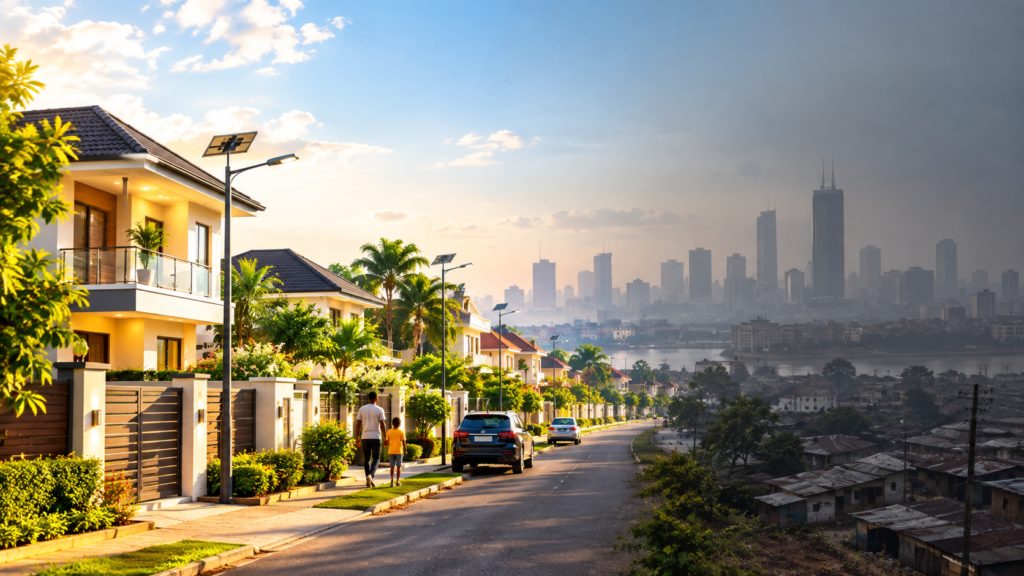
Both things can be true. A specific area getting 18-hour supply this month is real and worth celebrating for the people living it. It’s also not, on its own, evidence that the sector’s deeper financial and structural strain has eased. Improvements like this tend to be uneven — some feeders, some substations, some weeks — precisely because they’re being layered onto a system still running on unresolved debt and undermetered revenue, not because the underlying capacity has fundamentally shifted.
what that means if your own area hasn’t seen the same jump
If you’re reading this in a neighborhood that’s still waiting for its own “slow down” moment, that’s not a sign you’re being overlooked specifically — it’s a fairly predictable consequence of an improvement that’s real but not yet even. And if your area has seen the improvement, the honest planning move is still to treat it as a good stretch to enjoy, not a guarantee to build your whole routine around.
Either way, a solar and battery setup captures the upside when supply is good — recharging for free during strong daylight hours — without needing the improvement to hold for it to keep working when supply dips again.
Get a free load assessment at the Maektech Online Shop, or reach out for a consultation. Enjoy the good weeks. Just don’t build your plans entirely around them.