
 Post by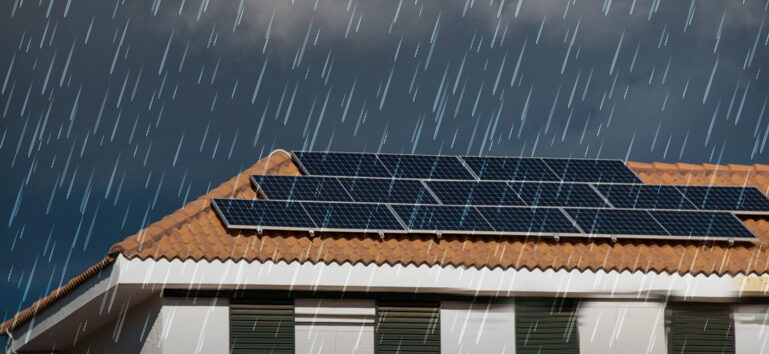
One of the most common questions Nigerian homeowners and business owners ask is: “Do solar panels really work during the rainy season?” The short answer is yes, solar panels continue to generate electricity even when skies are cloudy or rain is falling. However, efficiency levels change depending on weather conditions.
Understanding how panels perform in Nigeria’s climate, how batteries support your system, and how to maximize output during wet months is key to making a confident investment in solar energy.
How Solar Panels Generate Power in Rainy Season
Solar panels rely on light, not heat. Even when the sun is hidden behind clouds, photons still reach the panels and trigger the photovoltaic effect.
- On cloudy days, panels typically produce 30–50% of their maximum output.
- During heavy rain, this can drop to 10–20%.
This reduced generation doesn’t mean solar stops working. With proper system design and battery storage, homes and businesses can still enjoy reliable power. In fact, rain has a hidden benefit: it naturally washes away dust and dirt from panels, improving performance when the sun returns.
Why Battery Storage Matters in Cloudy Weather
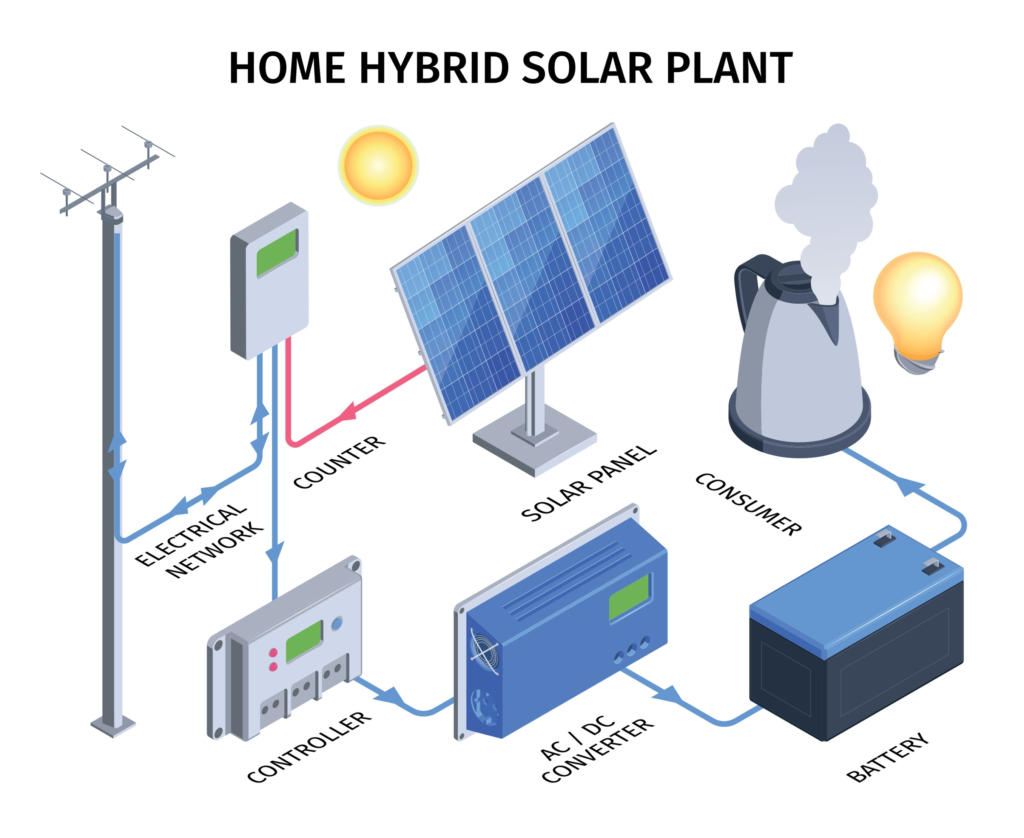
During stretches of cloudy or rainy days, batteries become essential. They store excess energy generated during sunny periods and release it when panels are producing less.
In Nigeria, where outages are frequent, batteries are not just a backup, they are a necessity. Lithium batteries, in particular, offer resilience, long life, and optimal performance in our climate.
This means even if your panels are producing less during a storm, your home or business can still run smoothly thanks to stored energy.
Choosing the Right Solar Panel Technology
Not all panels perform equally in low-light conditions. The type of panel you choose can make a big difference in rainy season performance:
- Monocrystalline panels: Highly efficient and reliable in cloudy weather.
- Thin-film panels: Absorb a wider spectrum of light, making them effective in overcast skies.
- Bifacial panels: Capture light from both sides, including reflections, boosting output even when direct sunlight is limited.
At Maektech Power Solutions, we supply premium panels tailored to Nigeria’s conditions, ensuring your system performs rain or shine.
Maintenance and Monitoring During Rainy Season
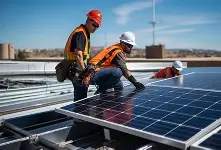
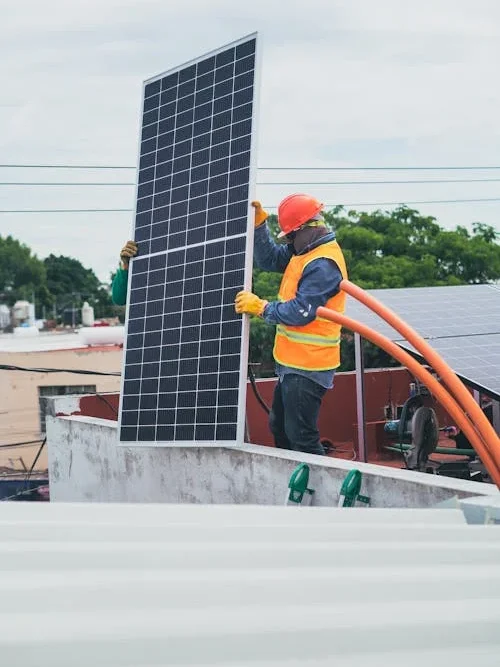
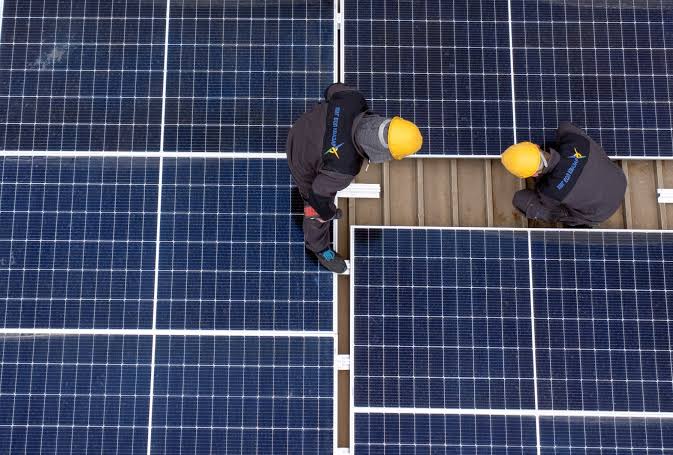
To maximize performance, panels should be installed at the right angle so rainwater naturally cleans the surface. Regular monitoring helps detect drops in output caused by shading or faults.
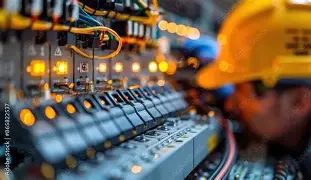
Professional checks ensure wiring, inverters, and batteries are functioning properly, preventing small issues from becoming costly repairs. In Nigeria’s climate, proactive maintenance is the difference between a system that struggles and one that thrives year-round.
Efficiency vs. Reality in Nigeria
While efficiency drops compared to sunny days, the reality is that solar panels are still a reliable and cost-effective solution during the rainy season. Nigeria’s high electricity tariffs, frequent blackouts, and rising fuel costs make solar attractive even when generation dips.
With the right system design, battery storage, and panel technology, solar remains a long-term investment that pays off in both financial savings and peace of mind.
Conclusion
Solar panels absolutely work during the rainy season in Nigeria. Yes, efficiency drops compared to sunny days, but with proper installation, battery storage, and the right panel technology, you can enjoy reliable power and long-term savings.
At Maektech Power Solutions, we don’t just sell solar systems, we deliver confidence, resilience, and freedom from blackouts.
Discover how Nigerian families are already saying goodbye to outages and explore how solar can transform your home or business. Rain or shine, solar is a smart move to the sun.