 Post by
For Nigerian businesses in 2026, energy is no longer just a utility, it is a volatile line item that can determine the survival of an enterprise. With Band A grid tariffs now stabilizing around ₦209.5/kWh and diesel prices remaining a heavy burden, the conversation around solar power has shifted. It is no longer a “green” luxury; it is a high-yield financial instrument.
If your business is still viewing solar as an environmental statement. You are missing out on ways to lock in operational costs and protect margins for the next 25years.


1. The Volatility Hedge: Locking in Your Levelized Cost of Energy (LCOE)
In the current economy, the “marginal cost” of grid power or fuel-based generation is unpredictable. Inflation and subsidy removals mean that a ₦2 million monthly energy bill today could easily be ₦3 million by next year.
When you install a commercial solar system, you effectively “pre-pay” for your electricity for the next two decades at a fixed rate. In 2026, the Levelized Cost of Energy (LCOE) for a well-designed solar-plus-storage system is now significantly lower than the cost of Band A grid supply. By switching, you aren’t just getting power; you are buying an insurance policy against future tariff hikes.
2. Strategic “Peak Shaving” with Smart Storage
Most commercial and industrial (C&I) sectors face heavy “demand charges” during peak business hours. This is where Peak Shaving comes in.
- How it works: Your solar system and LFP (Lithium Iron Phosphate) batteries handle the heavy lifting during the most expensive times of the day.
- The Result: You stay connected to the grid but never cross the threshold into high-peak pricing. By reducing your “peak demand” from the utility, you can lower your total monthly bill by an additional 25% to 30% beyond what the solar panels produce alone.

3. Leveraging the Nigeria Tax Act 2025/2026
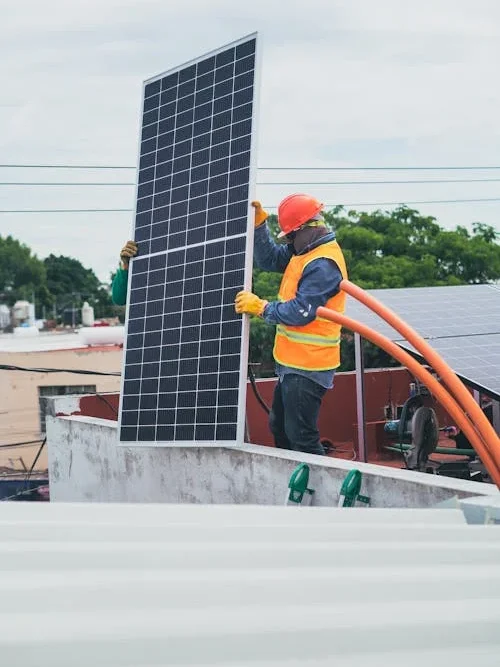
The 2026 fiscal landscape offers unprecedented incentives for companies transitioning to renewable energy. Under the new Nigeria Tax Act 2025, several provisions make solar more affordable:
- VAT Suspension/Exemptions: Solar power equipment is categorized under items where VAT is suspended or exempt, significantly lowering the upfront acquisition cost.
- Small Business CIT Relief: For marketing agencies or SMEs with a turnover under ₦50 million, you are 100% exempt from Company Income Tax (CIT). This allows you to reinvest those tax savings directly into energy independence.
- Import Duty Relief: Government initiatives like Solar Power Naija continue to provide pathways for reduced duties on high-capacity inverters and N-Type TOPCon panels.
4. The ROI Reality: From 5 Years to 14 Months
Just three years ago, the typical payback period for a commercial solar system was 5 to 7 years. In 2026, the math has changed. Due to the removal of electricity subsidies and the increased efficiency of N-Type solar cells, many Nigerian businesses are seeing a full Return on Investment (ROI) in as little as 14 to 24 months.
After that “payback” window, your energy is essentially free for the remaining 23 years of the panels’ lifespan.

5. Energy as a Brand Asset
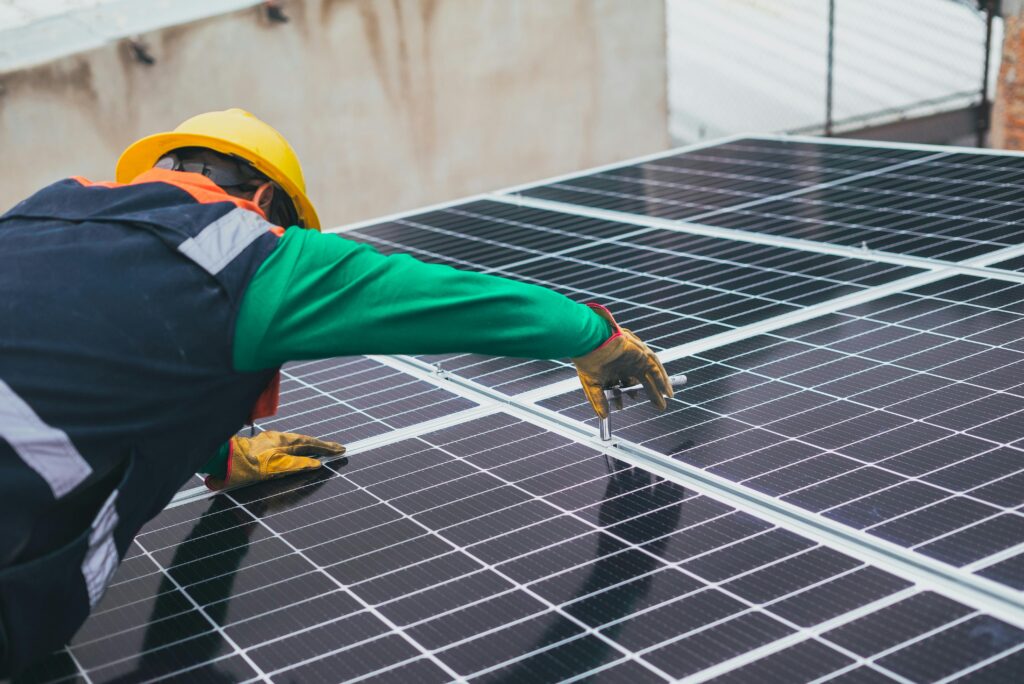
Finally, there is the “Sustainability Premium.” Global and local partners now prioritize “Green Tier” suppliers. Implementing a commercial solar system allows your business to:
- Earn Carbon Credits: Transitioning from generators to solar can make your business eligible for carbon credit programs.
- Enhance Brand Value: Demonstrating a commitment to clean energy improves your Corporate Social Responsibility profile, making you more attractive to investors and top-tier clients.
Conclusion: Is Your Roof Earning Its Keep?
In 2026, your warehouse or office roof is underutilized real estate. Turning that space into a power plant isn’t just a trend; it’s a calculated move to stabilize your bottom line and outpace competitors.
Ready to calculate your business’s solar ROI? Contact maektech power solutions today for a custom audit and see how much you could be saving by next quarter.