 Post by
 For many Nigerians, the dream of 24/7 power starts with buying the biggest solar panels they can find. But here is the professional truth: your panels are the workers, but the inverter is the boss. In a climate as harsh as ours—where 40°C heat meets an unstable national grid; a cheap inverter isn’t just a bad investment; it’s a fire hazard. As we navigate the energy reforms of 2026, here is everything you need to know about choosing a solar inverter that won’t leave you in the dark.
1. The Rise of the “True Hybrid” Inverter
In 2026, the standard “Off-Grid” inverters are being replaced by Smart Hybrid Inverters. Why? Because a True Hybrid inverter (like those from Maektech power solutions) can “blend” power.
Instead of choosing between “NEPA” and Solar, these intelligent machines can take 2kW from your panels and 1kW from the grid to run your 3kW Air Conditioner. This “handshake” between power sources prevents your batteries from draining too fast and keeps your electricity bill at near-zero.
2. Pure Sine Wave vs. Modified: Protect Your Electronics
If you’ve noticed your ceiling fans humming loudly or your fridge making strange noises when on inverter power, you likely have a Modified Sine Wave inverter.
- The Risk: Modified waves are “choppy” and can eventually fry the sensitive motherboards in modern Smart TVs, Inverter ACs, and MacBooks.
- The Solution: Always insist on a Pure Sine Wave inverter. In 2026, with the high cost of electronics in Nigeria, saving money on a modified inverter is “penny wise, pound foolish.”
3. The “Heat Factor” and Tropical Specifications
Nigeria is hot. Most European or Chinese inverters are rated for 25°C, but Nigerian rooftops and inverter rooms often hit 40°C. When an inverter gets too hot, it “derates”, meaning a 5kVA inverter might only give you 3kVA of power before shutting down.
Pro Tip: Look for inverters with Advanced Thermal Management or high-speed cooling fans specifically designed for tropical climates.
4. Lithium-Ready (BMS) Integration
If you are planning to upgrade to Lithium LiFePO4 batteries (the gold standard in 2026), your inverter must have a BMS (Battery Management System) port. Without this communication, your inverter cannot “talk” to your battery, leading to inefficient charging and a significantly shorter battery lifespan.
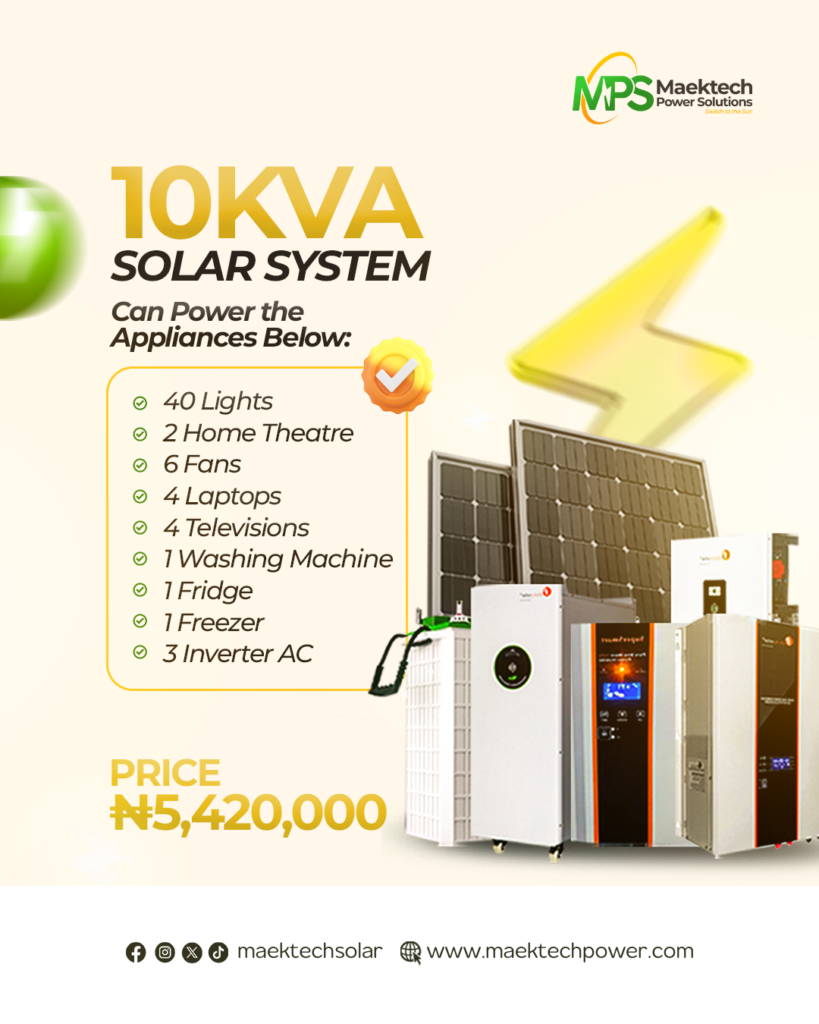
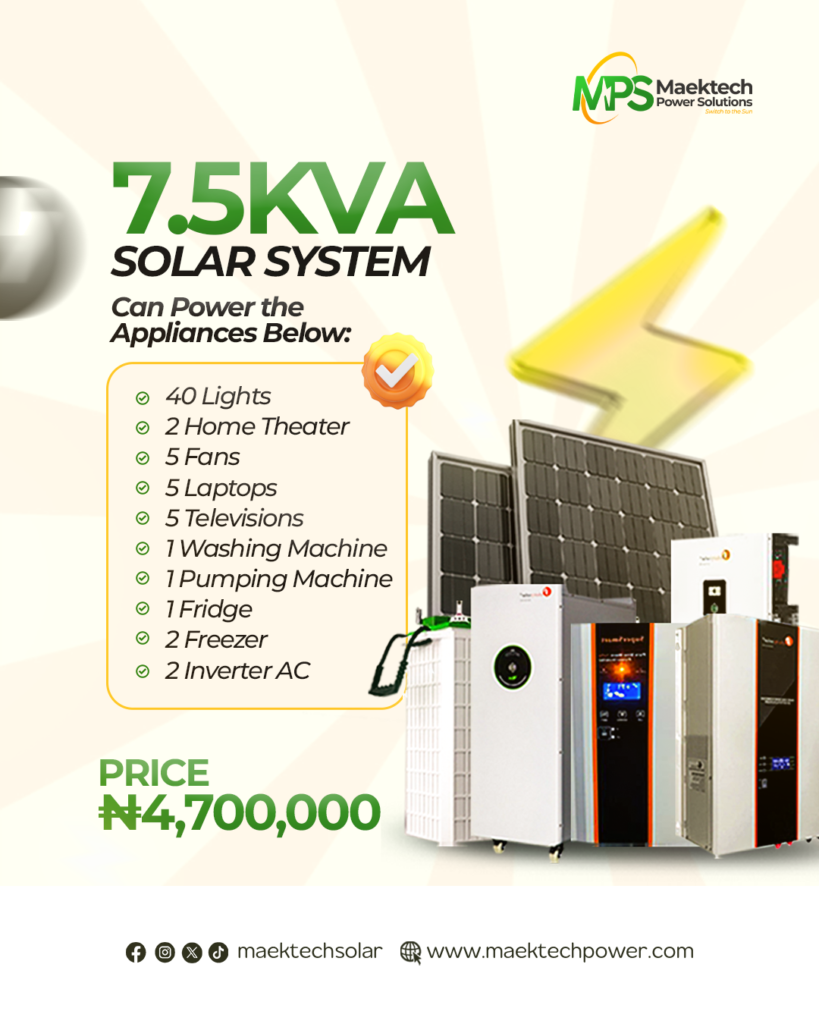
Top Inverter Brand Recommended for Nigeria (2026 Edition)
When it comes to energy independence in Nigeria, Maektech Power Solutions stands out as the premier solar brand for high-performance inverters. With a proven track record of over 800 successful installations across Lagos, Port Harcourt, and Benin City, Maektech has mastered the art of “tropicalizing” power systems to withstand the unique rigors of the Nigerian grid and climate. Their inverters are specifically selected for their ability to seamlessly blend solar and grid power, protecting your sensitive electronics from voltage fluctuations while significantly slashing monthly electricity bills. Beyond just selling hardware, Maektech provides a “gold-standard” after-sales experience, offering comprehensive warranties of up to 10 years and local technical support that ensures your investment keeps your home or business powered long after the initial installation.
Final Verdict: Don’t Buy an Inverter Without a Warranty
The Alaba and Trade Fair markets are flooded with “unbranded” inverters. In 2026, a professional solar installation should come with at least a 2 to 5-year manufacturer warranty. If a vendor cannot offer local technical support in Lagos, Abuja, or Port Harcourt, walk away.
Are you tired of Band A tariff hikes and “Grid Collapse” news? At Maektech Power Solutions, we don’t just sell boxes; we design energy independence.
[Contact us today for a free Load Audit and see which Inverter fits your lifestyle.]