
 Post by
Learn how to calculate the optimal solar battery size and why certified installers are essential for reliable solar energy systems in Nigeria. Discover solutions with Maektech Power Solutions.
Installing a solar energy system is more than just mounting panels on your roof. The heart of any solar setup lies in the battery bank, which stores energy and ensures your home or business has power even when the sun isn’t shining. At Maektech Power Solutions, we specialize in designing systems that balance efficiency, safety, and affordability, and that starts with choosing the right battery size and working with certified installers.

Why Battery Sizing Matters
Your battery bank determines how long your solar system can run without sunlight. If it’s too small, you’ll face frequent outages and rely on backup generators. If it’s too large, you’ll spend more than necessary on equipment and maintenance. The ideal battery size depends on:
- Your daily energy usage
- The type of battery chemistry (lead acid vs lithium)
- Desired backup duration
- Budget and long‑term goals
We explain this in detail in our guide on How Many Solar Panels Do You Need to Power Your Home (edit), which also shows how panel sizing ties directly into battery requirements.
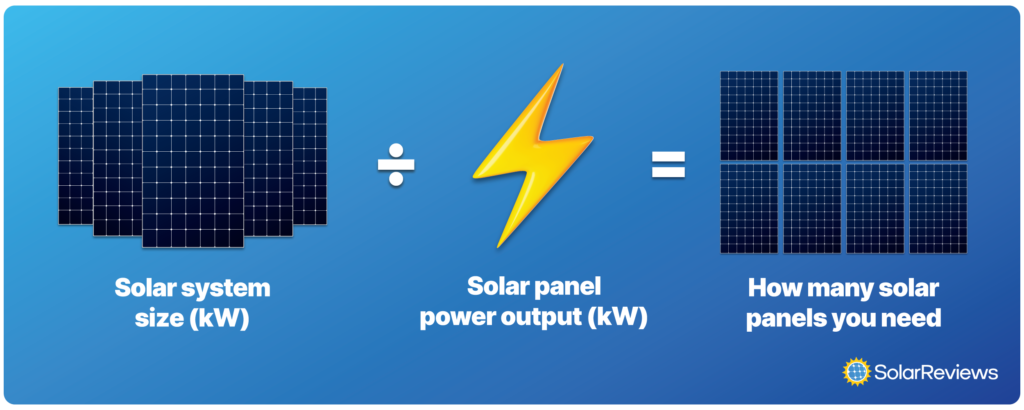

Calculating the Right Battery Size
To size your battery bank, start with your daily energy consumption in watt‑hours (Wh). For example, if your home uses 10 kWh per day, here’s how different battery types compare:
- Lead Acid: Requires about 24 kWh capacity due to 50% depth of discharge and inefficiency.
- Lithium (LiFePO4): Needs only 12.6 kWh capacity thanks to deeper discharge and higher efficiency.
This means lithium batteries can be nearly half the size of lead acid banks while delivering the same usable energy.
For practical calculations, use the formula:
Battery Life (hours)=Capacity (Ah)×DoD×Voltage (V)Daily Energy Consumption (Wh)
A 100Ah lithium battery at 51.2V with 90% discharge provides about 4608 Wh, enough to power a household using 500 Wh/day for over 9 hours.
Why Certified Installers Are Essential
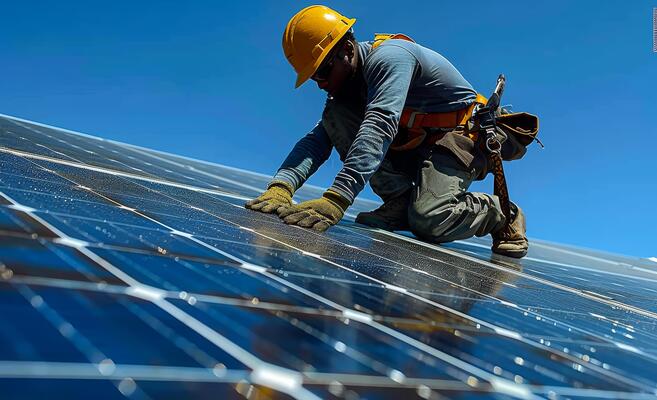
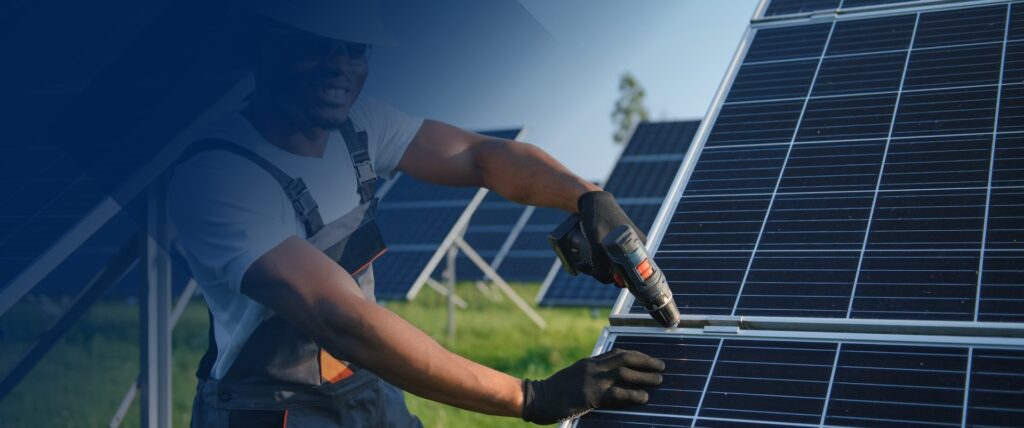
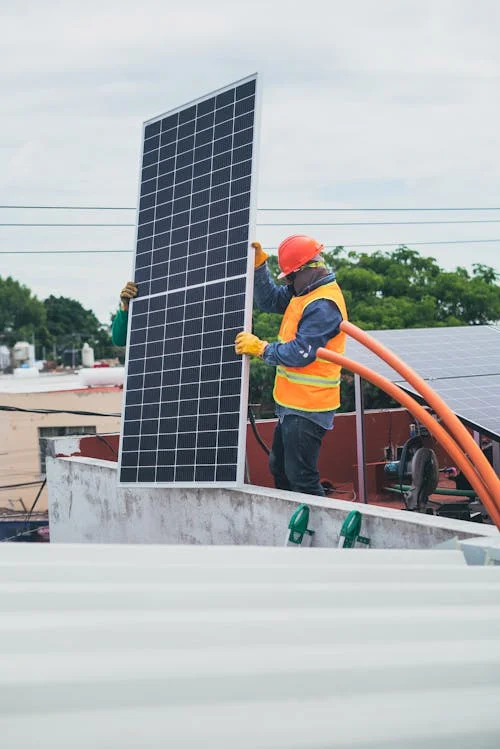
Even with the right battery size, installation quality determines system performance. Certified installers bring expertise in wiring, compliance, and safety. In Nigeria, accreditation from COREN (Council for the Regulation of Engineering in Nigeria) ensures professionals meet national standards.
At Maektech Power Solutions, we partner with certified experts to guarantee:
- Safe installation that minimizes electrical risks
- Compliance with building codes and eligibility for incentives
- Warranty protection for panels, inverters, and batteries
- Long‑term support and maintenance
We expand on this in our blog Why You Should Always Use a Certified Professional Installer, which highlights the risks of DIY setups.(edit)
Choosing the Right Battery
Different battery chemistries offer unique advantages:
- Flooded Lead Acid: Lowest upfront cost, lifespan 5–7 years, requires regular maintenance.
- Sealed Lead Acid: Moderate cost, lifespan 3–5 years, minimal maintenance.
- Lithium (LiFePO4): Highest efficiency, lifespan 10+ years, deeper discharge, no maintenance.
Lithium batteries are increasingly popular for off‑grid solar systems due to their efficiency and durability. Though more expensive upfront, they save money long‑term by reducing replacement cycles and maximizing usable capacity.
Conclusion: Reliable Solar Energy with Maektech Power
Battery sizing and professional installation are the foundation of a reliable solar energy system. By calculating your daily usage, choosing the right battery type, and working with certified installers, you ensure your system delivers uninterrupted power, long‑term savings, and peace of mind.
At Maektech Power Solutions, we provide quality solar panels and inverters, tailored battery banks, and expert installation services across Nigeria. Explore our blog for more insights, and take the first step toward energy independence today.