
 Post by
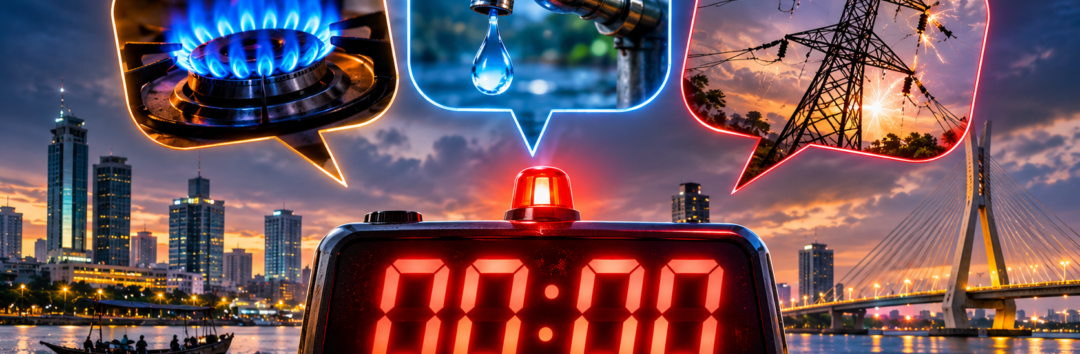
Last week, Power Minister Joseph Tegbe promised to restore normal supply within 72 hours. That window has closed, and Nigeria power outages continue in parts of the country. Generation did improve: it rose to 4,020.41MW on Monday from about 3,500MW, a gain of roughly 520MW. But three different explanations for the cuts have emerged, and each one points somewhere else.
Here is who says what, and why it matters for your power supply.
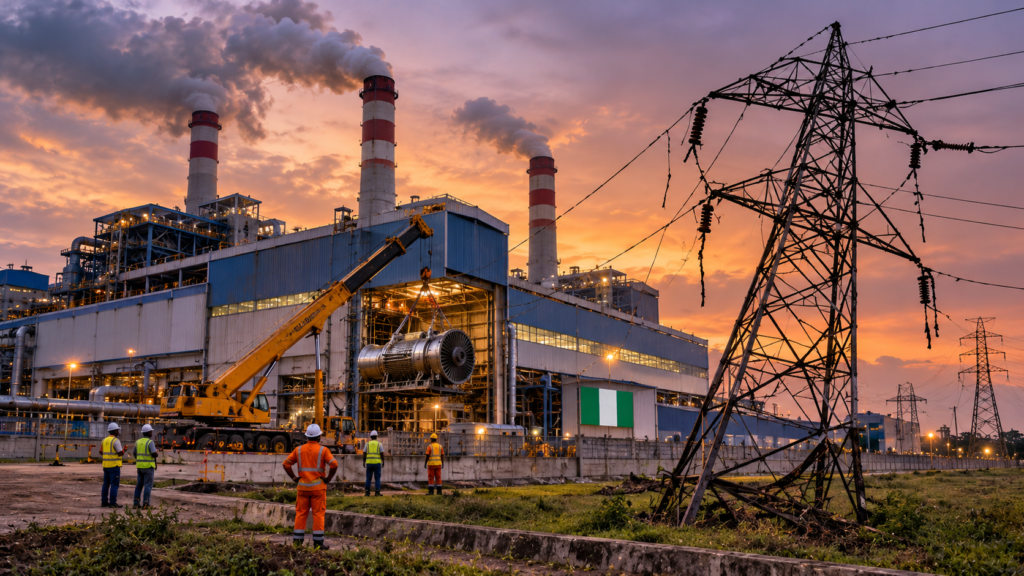
Why Nigeria power outages have three explanations
NISO’s account: gas and water. The Nigerian Independent System Operator says thermal plants lack enough gas and hydro plants receive less water, which cut the allocation to distribution companies. NISO issued that explanation last Thursday.
NNPC’s account: no gas constraints. The Nigerian National Petroleum Company says its gas network recorded no constraints that affected deliveries to power plants. Sunday Oduntan, who heads the distribution companies’ association, calls that statement “half-truths.” He says it leaves out whether the gas was paid for and delivered.
The minister’s account: maintenance, vandalism, and payment. Tegbe says Nigeria has gas, but supply-chain constraints exist, including generation companies’ inability to pay for it. He also says the disruption was a decline in supply, not a national grid collapse, and he points to planned maintenance at Egbin and a vandalised 330kV line.
what the numbers add up to
The Ministry of Power says no. Its preliminary assessment says the disruptions did not come from a major or systemic failure of the national grid. The ministry attributes them to maintenance and operational issues on parts of the power system, plus the gas and water constraints. That matters, because it separates this week from a full collapse, but it doesn’t make the lights come back sooner.

the part everyone agrees on
The three accounts disagree about the cause, but they agree about the pattern. Oduntan warned that the sector has started down the same road it followed between 2016 and 2019, when blame travelled between agencies while customers sat in the dark. Tegbe, for his part, says reforms will take three to five years, and he reports that the government has paid ₦1.23 trillion of a ₦3.3 trillion gas debt, with about ₦2 trillion still due next year. “Nigerians deserve to have electricity,” he said. “It is not rocket science.”
what this means for your home
You don’t need to settle the argument to protect your household. Whether the cause is gas, water, maintenance, a vandalised line, or an unpaid bill, the result reaches your feeder in the same way: fewer hours of supply. A solar and battery system doesn’t rely on any of those links in the chain. It generates power on your own roof and stores it for the hours when the grid goes quiet.
Get a free load assessment at the Maektech Online Shop, or reach out for a consultation. Let the agencies sort out who is right, and make sure your lights don’t wait for the verdict.