
 Post by
If your lights have gone off more often this week, you’re not imagining it. Households in Lagos, Abuja, Ogun, Kwara, and Oyo have reported disruptions, and the Nigeria power supply drop has become the main topic in Nigerian power news. On Thursday, the Nigerian Independent System Operator (NISO) and the Ministry of Power both issued explanations.
Here are the five questions people keep asking, with the answers that the official statements and the news coverage support.
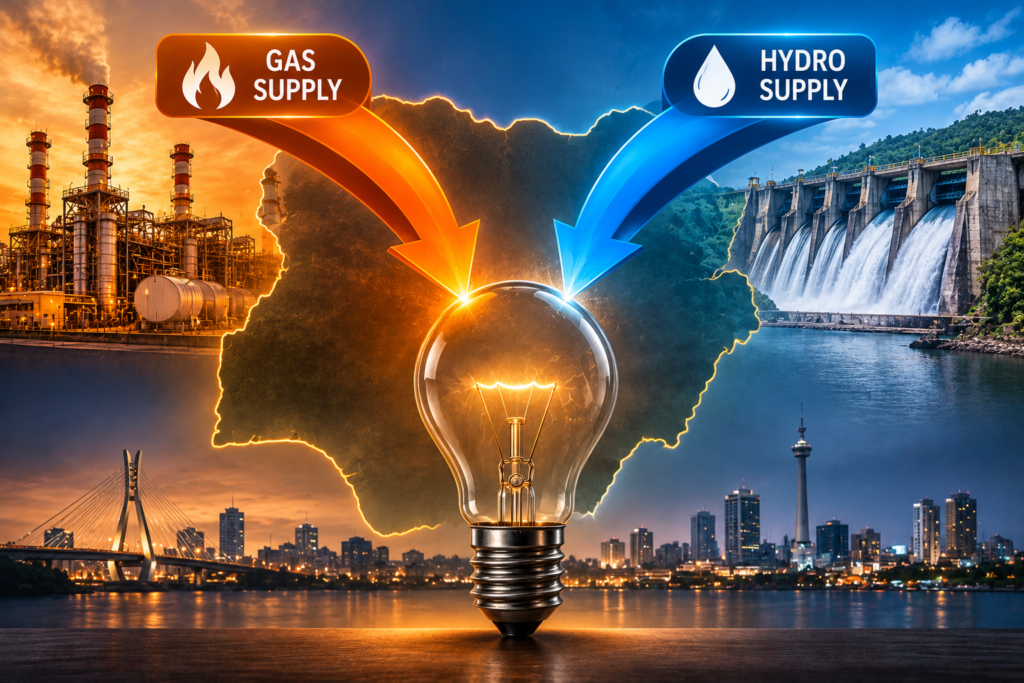
Why did the nigeria power supply drop this week?
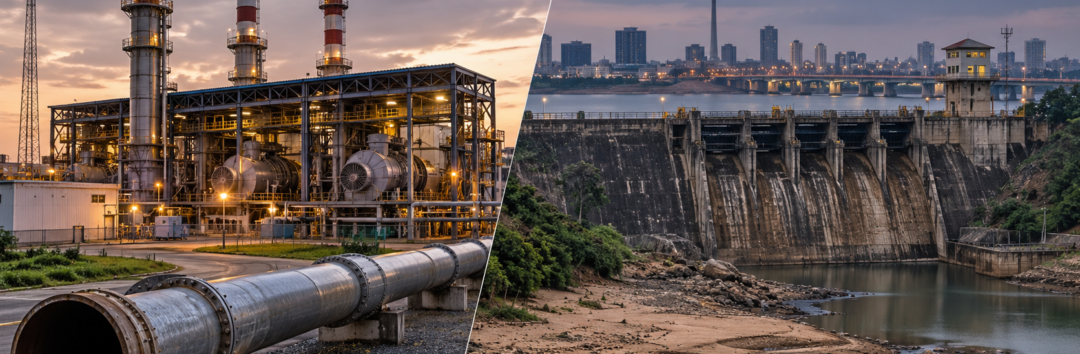
NISO gives two causes. First, thermal plants can’t run at their available capacity because they lack enough gas. Second, hydroelectric output has fallen because less water flows into the reservoirs. The shortfall cut the electricity that NISO allocates to distribution companies, which led to shorter supply hours and more load shedding. NISO says the impact varies by DisCo, depending on each one’s generation and allocation.
Did the national grid collapse?
The Ministry of Power says no. Its preliminary assessment says the disruptions did not come from a major or systemic failure of the national grid. The ministry attributes them to maintenance and operational issues on parts of the power system, plus the gas and water constraints. That matters, because it separates this week from a full collapse, but it doesn’t make the lights come back sooner.
what is the minister doing about it?
Power Minister Joseph Tegbe directed the Transmission Company of Nigeria (TCN), NISO, and the DisCos to resolve the operational constraints, speed up ongoing maintenance, and keep the public informed. The statement said Nigerians deserved better electricity supply. The coverage I found doesn’t mention any deadlines or megawatt targets, so you can’t yet measure whether the fixes will work.

who do band a customers get apologise?
Ikeja Electric apologised to its Band A customers this week after it failed to deliver an expected minimum of 20 hours of daily supply on November 3 and 4, according to an opinion piece on Within Nigeria. The same piece counts it as the company’s eighth apology in ten days. It also says NERC’s June 2026 directive gives customers a 2% energy credit when feeders fall below 18 hours a day, and that customers on Bands B to E receive no such compensation. That is one writer’s account, so check the details with NERC or your DisCo. The piece also reports a national load allocation of 2,953MW at 9:53am on Thursday, which is a single snapshot, not a daily average.
who can a household do while this plays out?
Gas and water constraints don’t clear up on a schedule, and nobody has published a date for when supply will recover. If your feeder gives you fewer hours than before, you have two options: buy more fuel for a generator, or generate and store your own power. Solar panels don’t need gas from a pipeline, and they don’t depend on the water level at a dam. A battery covers the hours when the grid gives you less.
Get a free load assessment at the Maektech Online Shop, or reach out for a consultation. The causes of this week’s drop sit far from your home. Your power supply doesn’t have to.