
 Post by
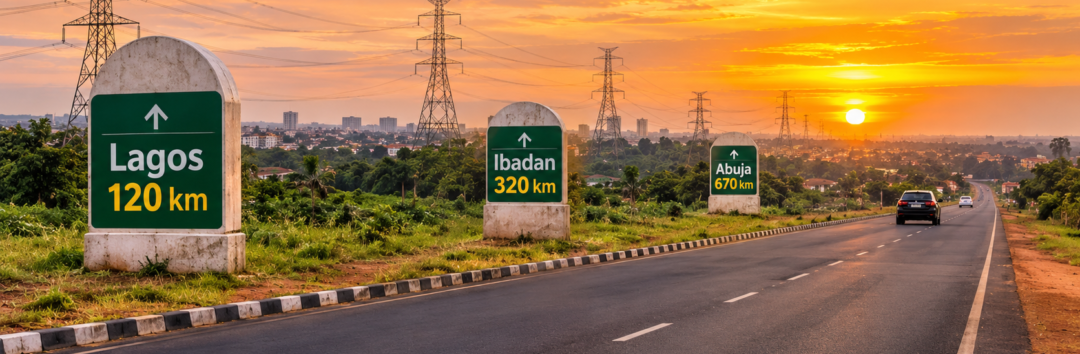
At the Nigeria Energy Leadership Summit in Lagos this week, Power Minister Joseph Tegbe laid out a Nigeria power sector roadmap in three phases. Phase one, stabilise, runs through February 2027. Phase two, scale, runs from March 2027 through 2028. Phase three, transform, begins in 2028. Tegbe tied everything to the first step: “Grid stability provides the operational foundation.”
A roadmap with dates is a good thing, because you can finally plan around something. So here is what each phase means for a household, in plain terms.
Phase one, through february 2027: stabilse
The government’s first job is the grid itself. Tegbe named the obstacles: gas supply constraints, overstretched transmission infrastructure, distribution losses, and accumulated industry liabilities. He also said the focus must move from designing reforms to delivering measurable improvements.
Counting from the speech, this phase has roughly four months left. That’s a short window to fix problems that have lasted for years, and it may deliver only partial relief for many households. If you depend on the grid for work or a business, plan your backup now, not in March.
phase two, march 2027 through 2028: scale
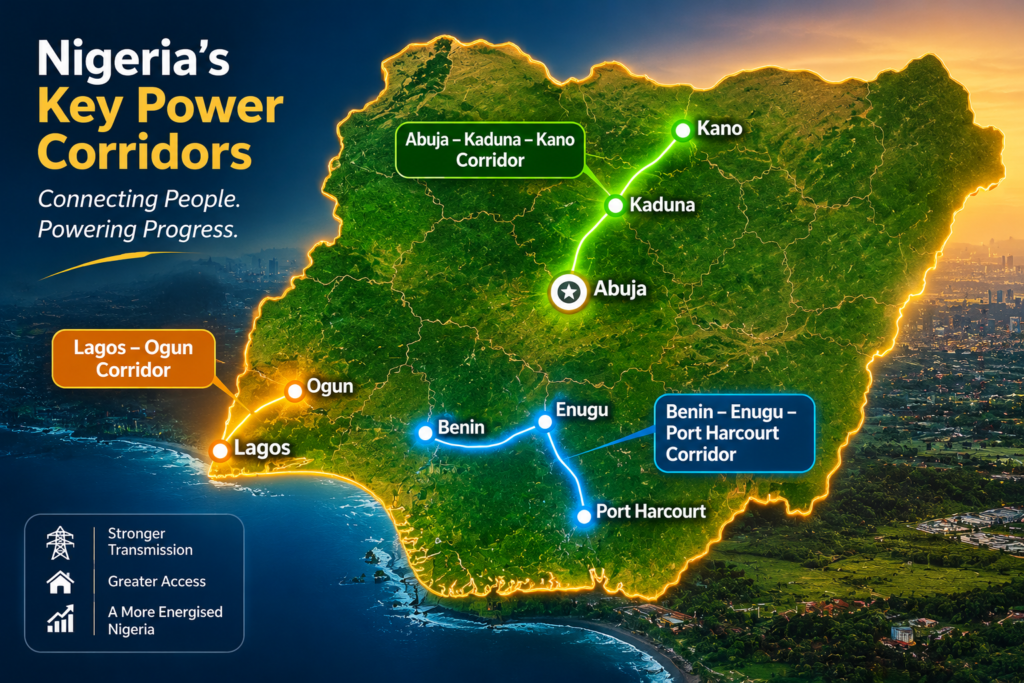
Phase two focuses on expanding electricity infrastructure and capacity. The government says it will concentrate on three energy corridors: Lagos–Ogun, Benin–Enugu–Port Harcourt, and Abuja–Kaduna–Kano. The idea is to line up generation, transmission, distribution, and real demand in each corridor, so that new power reaches the customers who need it.
That focus suggests some areas may benefit first. If you live in one of those corridors, you may see improvements sooner. If you don’t, your timeline may stretch beyond 2028. Either way, Nigerian power targets have a history of slipping, and households that plan around the date instead of the delivery risk waiting longer than they expected.
phase three, from 2028: transfrom
The third phase is the long-term one, and the coverage I found gives it the least detail. It begins in 2028, which is more than a year away. The reports on the speech don’t publish megawatt targets for any phase, only dates and priorities, so nobody can yet measure whether the Nigeria power sector roadmap is on track.
the money behind the nigeria power sector roadmap
Tegbe also pointed to liquidity. The government says it has paid ₦1.23 trillion toward an estimated ₦3.3 trillion in legacy liabilities, and it plans to cut losses through the Presidential Metering Initiative, the Distribution Sector Recovery Programme, and the Meter Acquisition Fund. Those programs matter because a sector that can’t pay its gas suppliers or collect its revenue can’t keep the grid stable, no matter how good the plan looks.
the calendar version for your home
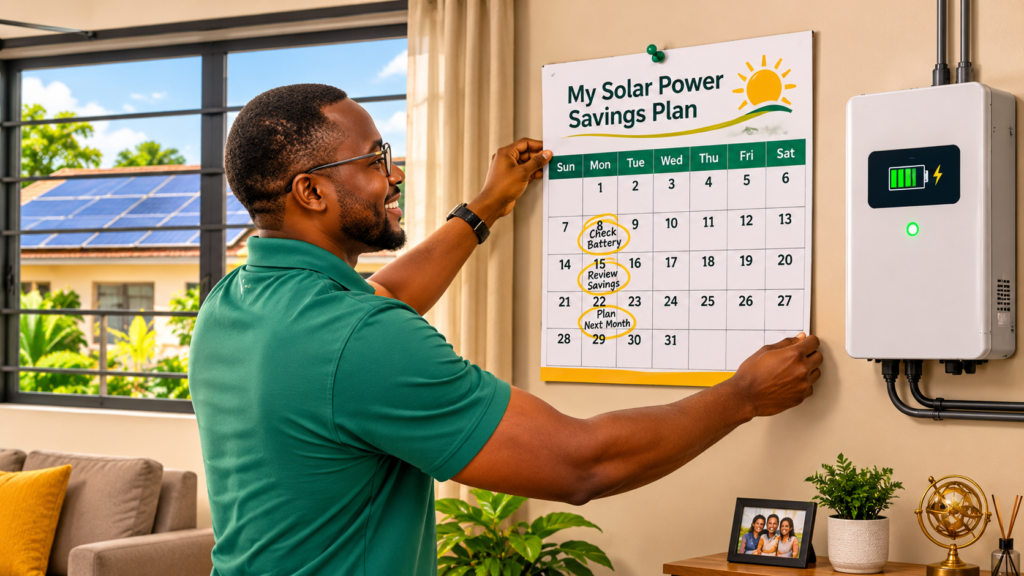
Put the two timelines side by side. The government’s roadmap runs from now to 2028 and beyond. Your household’s needs run every evening, starting tonight. A solar and battery system doesn’t depend on which phase the grid has reached. It starts working the day your installer switches it on, and it keeps working through every phase that follows.
Get a free load assessment at the Maektech Online Shop, or reach out for a consultation. Follow the roadmap, and don’t make your plans wait for its last page.