 Post by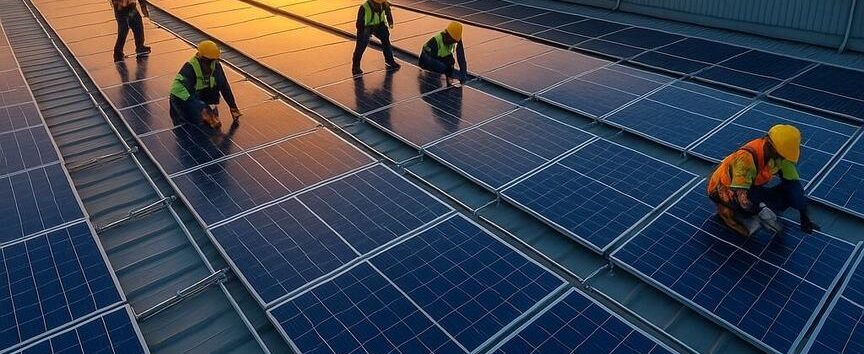
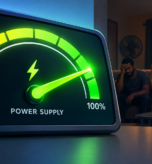
Nigeria’s energy landscape is undergoing its most radical transformation in decades. In early 2026, the global energy ecosystem felt the shockwaves of rising crude prices, driving local petrol and diesel costs to all-time highs. Compounded by Band A grid tariffs exceeding ₦200/kWh, the question is no longer whether solar is a viable backup.
The question is: How will solar redefine Nigerian living and business continuity between 2026 and 2030?
At Maektech Power Solutions, we analyze these macro shifts to keep our clients ahead of the curve. Here is what the future of solar looks like in Nigeria—and how you can position your home or business to profit from it.
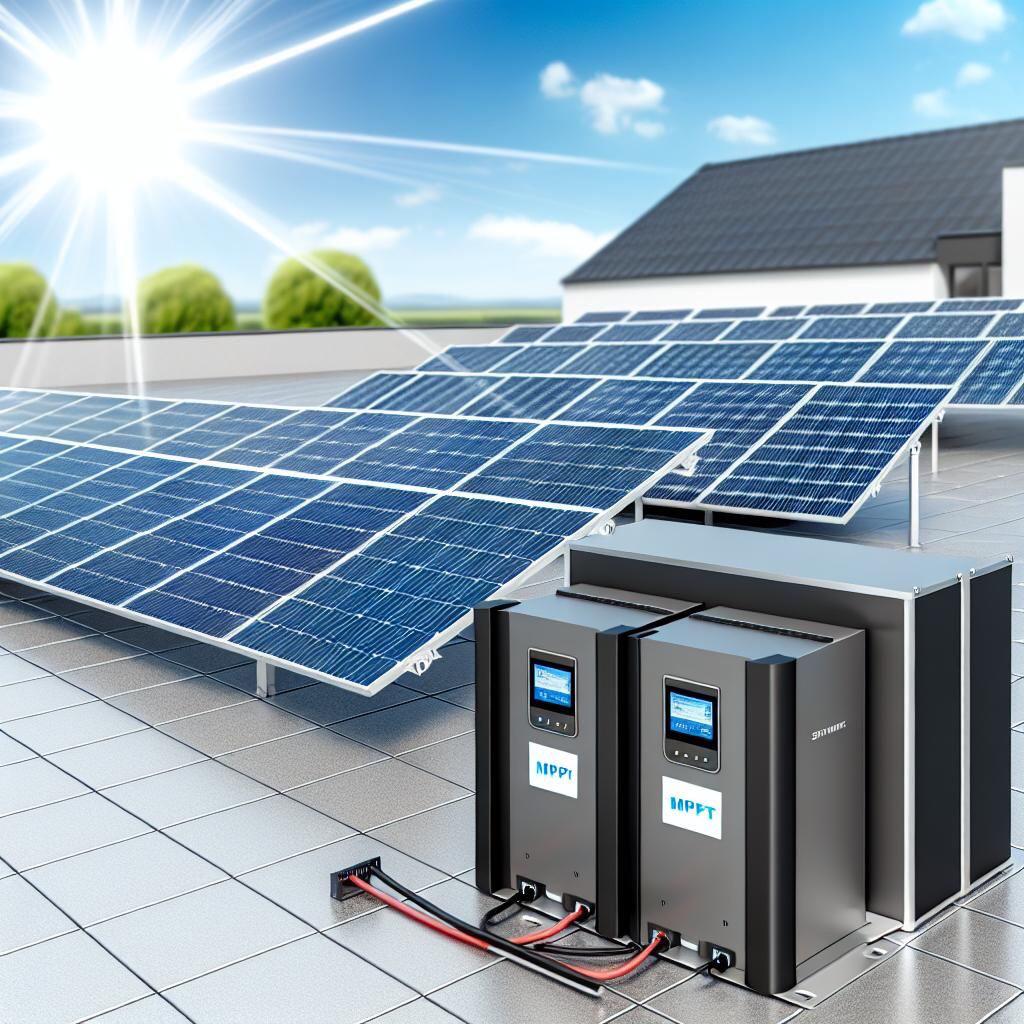
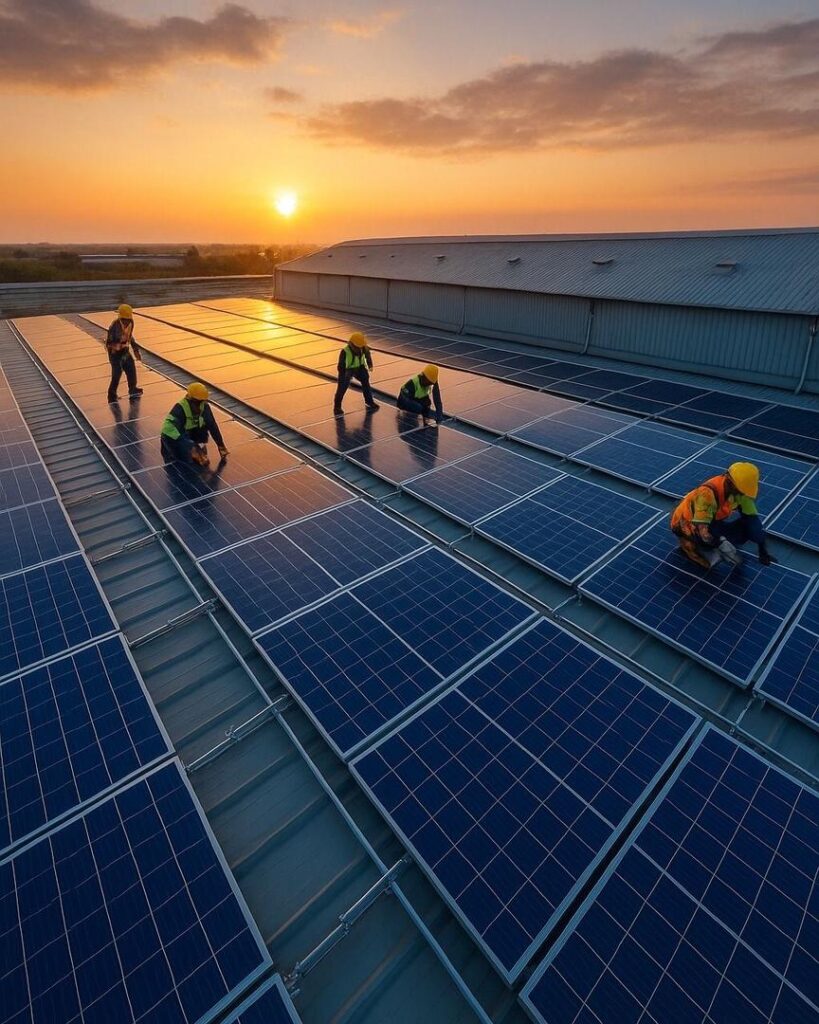
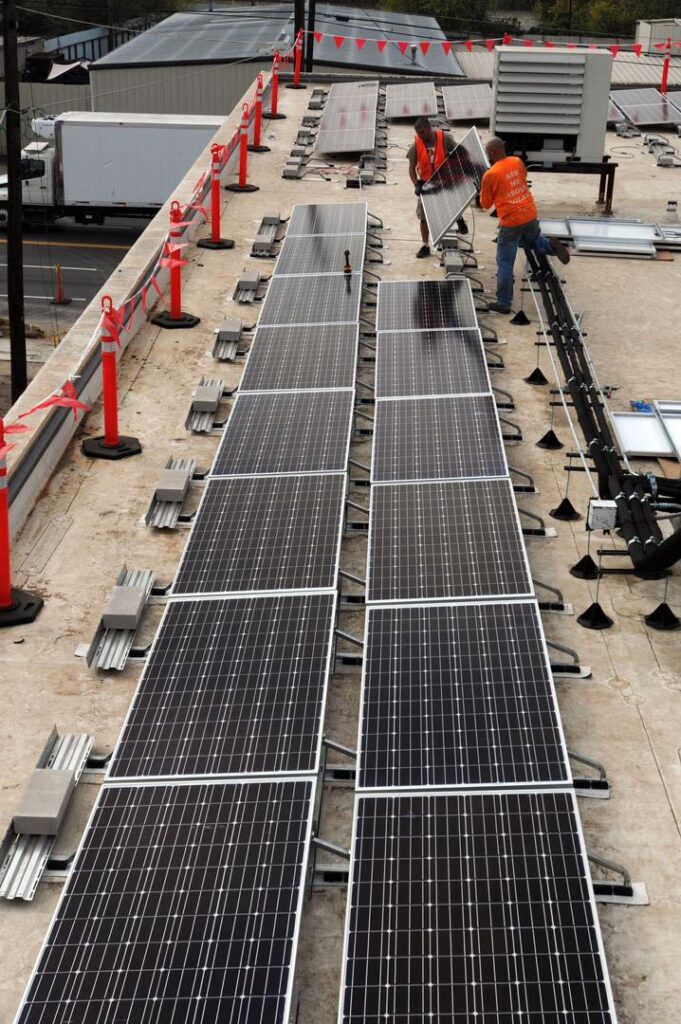
1. Decentralization: The Death of the Single National Grid
For decades, Nigeria relied on a highly centralized national grid prone to frequent collapses. The future belongs to localized, decentralized energy.
- The Rise of the “Solar Island”: Large-scale residential estates and commercial clusters are systematically breaking away from the grid. Even the highest echelons of government—such as the recent full solar cutover of the Aso Rock Presidential Complex in early 2026—are moving to 100% off-grid or hybrid solar infrastructure.
- The Maektech Advantage: We design Micro-Grid Ready systems. Whether you operate a single office in Lagos or a multi-tenant residential facility, our hybrid installations ensure that your power stays on even when the surrounding grid fails.
2. Smart Batteries: The Dominance of LiFePO4 (Lithium Iron Phosphate)
By 2027, lead-acid and tubular batteries will be completely obsolete for high-performance applications. The rapid growth of the African solar market—which recorded its fastest annual growth in history in 2025—is driven by advanced storage technology.
                  2026 - 2030 STORAGE EVOLUTION
  [Tubular/Lead-Acid]  --->  Rapidly phasing out due to 2-year lifespan.
  [Lithium LiFePO4]    --->  Standardizing due to 10-15 year lifespan & 90% DoD.
The future of energy storage lies in intelligent management:
- Real-time cell balancing to prevent degradation from the high ambient temperatures in Nigeria.
- Rapid charging capabilities that allow systems to fully top up within 2 to 4 hours of grid availability or intense sunshine.
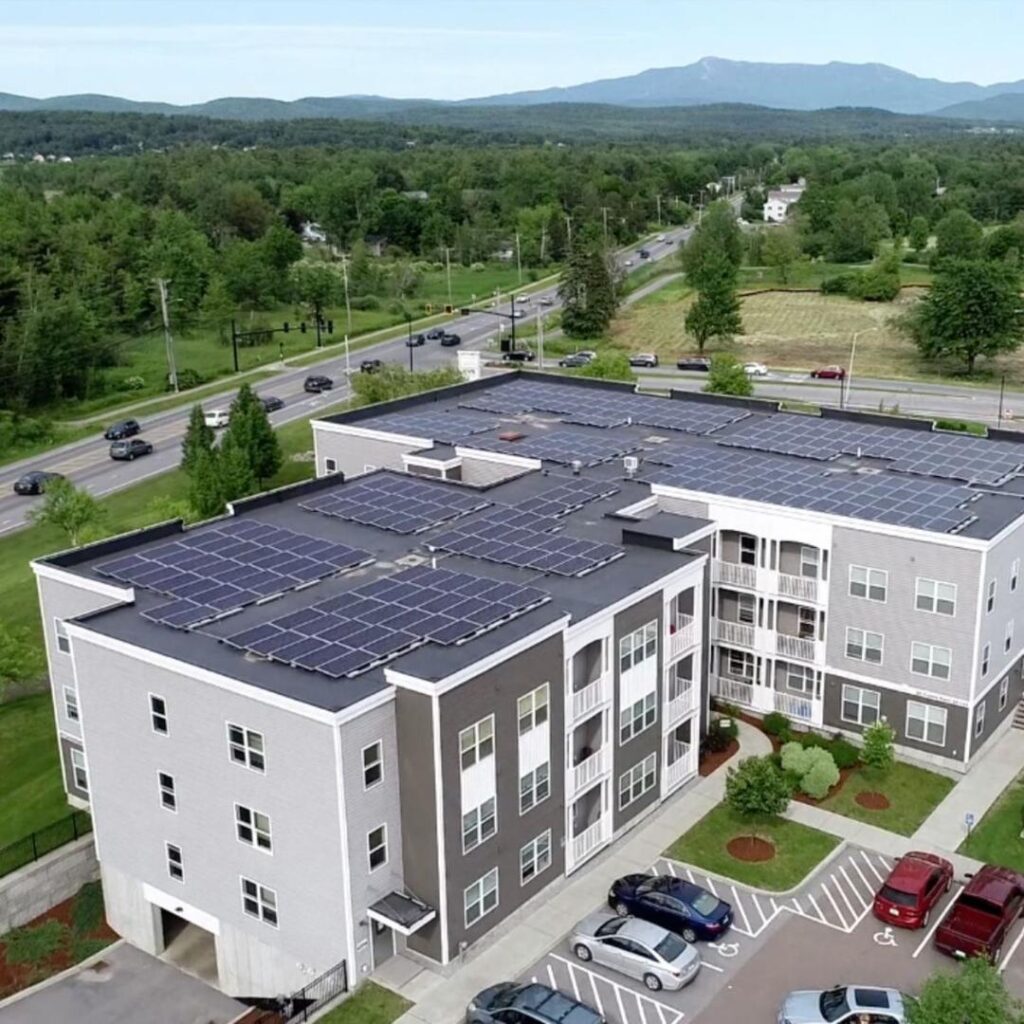
3. Policy and the “Prosumer” Economy: Selling Power Back
The Electricity Act and the Nigeria Distributed Access through Renewable Energy Scale-up (DARES) program are fundamentally changing how power is traded.
Nigeria is moving toward a Net Metering and Net Billing framework. Within the next few years, building owners will transition from “consumers” to “prosumers”—individuals who generate their own power and feed the excess back into regional distribution networks.
The 2028 Outlook: Your rooftop solar system will not just save you money on your electricity bill; it will generate monthly financial credits from your local DisCo.
4. AI-Driven Energy Automation
The future of solar is not just about panels and batteries; it’s about software. The next era of renewable energy centers on Artificial Intelligence Optimization (AIO).
At Maektech, we are preparing for a future where smart inverters use predictive AI algorithms to:
- Forecast local weather patterns to determine the optimal daytime battery charging rate.
- Monitor real-time energy usage patterns in your home or office.
- Automate load shedding, silently turning off non-essential appliances like water heaters when the battery is running low.
Secure Your Spot in Nigeria’s Energy Future
The transition to renewable energy is accelerating rapidly across West Africa. Investing in solar today protects your household or business against grid instability, sudden policy changes, and surging fossil fuel prices.
- Request an Energy Audit: [Click here to book a consultation]
- Explore our 2026 Lithium Inverter Bundles: [Link to Shop]