 Post by
The shift toward sustainable power has moved from a “nice-to-have” to an economic necessity. With traditional grid systems facing persistent challenges, solar energy emerges as the best path to energy security for Nigerians.
Current Energy Landscape in Nigeria
As of late 2025, Nigeria’s energy landscape is characterized by a “grassroots energy revolution.” While the national grid capacity hovers around 4,500MW to 5,000MW for a population of over 200million, the real growth is happening off-grid.
In the first half of 2025, Nigeria imported over ₦242 billion worth of solar panels a 17% increase from 2024. This surge is driven by the rising costs of fossil fuels and the removal of electricity subsidies, which have pushed businesses and households toward self-sufficiency. Today, Nigeria’s total installed solar capacity is estimated at approximately 385 MWp, with aggressive targets to hit 500 MW by the end of the year.
Importance of Solar Solutions for Energy Access
Energy access remains the “holy grail” of Nigerian development. Solar solutions are bridging the gap in three critical ways:
- Rural Electrification: For the 45% of Nigerians living in rural areas, the grid may never arrive. Solar mini-grids are providing first-time electricity to thousands of communities.
- Economic Resilience: Small and Medium Enterprises (SMEs) are the backbone of the economy. Solar allows barbershops, hospitals, and cold-room operators to bypass the $14 billion spent annually on expensive diesel and petrol generators.
- Urban Energy Security: In cities like Lagos and Abuja, hybrid solar systems are becoming standard in middle-class homes to ensure 24/7 power for remote work and security.
Innovative Solar Technologies Making an Impact
The Nigerian solar market is no longer just about “panels on roofs.” Innovation is driving efficiency:
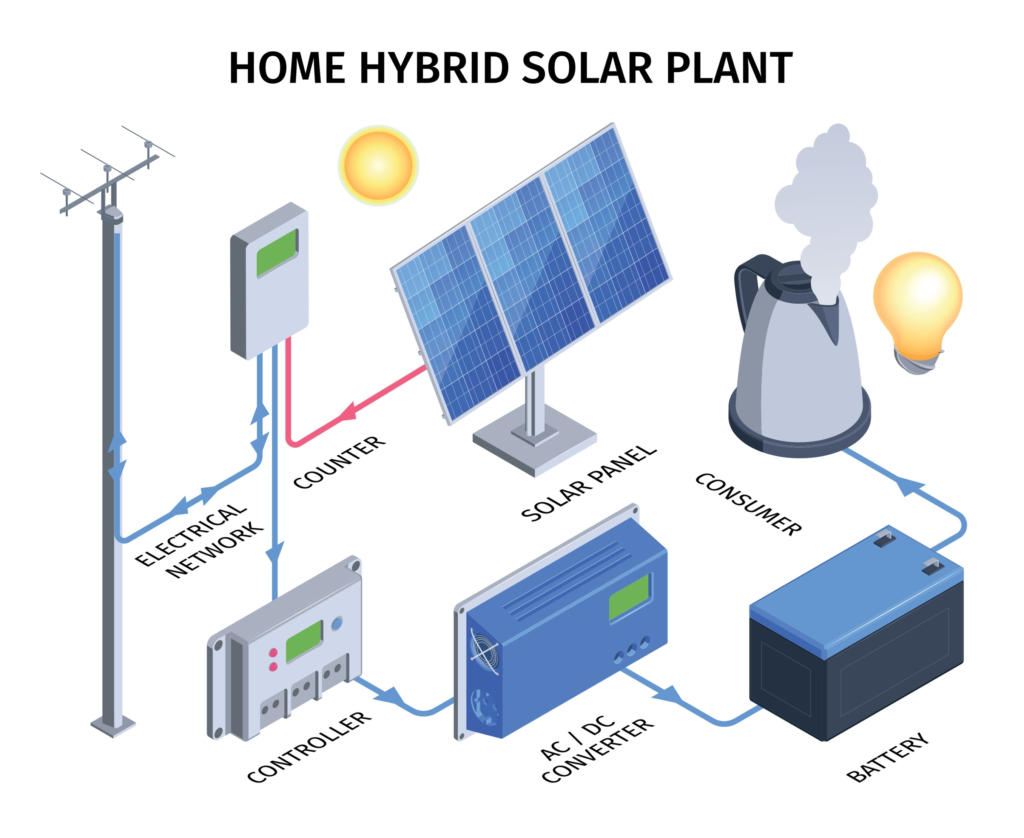
- AI-Integrated Inverters: New systems use Artificial Intelligence to analyze weather patterns and household usage, optimizing battery discharge to ensure power lasts through the night.
- Lithium-Ion & Solid-State Storage: The shift from bulky lead-acid batteries to high-density lithium-ion has tripled the lifespan of home systems.
- Solar-Hydro Hybrids: Projects like the Shiroro 20 MW solar-hydro hybrid use solar power during the day to preserve water levels in dams for nighttime hydro generation.
- Pay-As-You-Go (PAYG) Fintech: Integration with mobile money allows low-income earners to pay for solar in small daily installments, making it as affordable as buying kerosene.
Leading Solar Companies and Their Contributions
Several key players are defining the 2025 solar market:
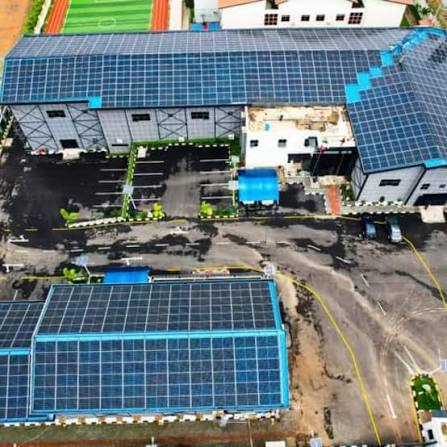
- Maektech power solutions: Recognized as a leader in high-end residential and commercial installations in Lagos.
- Lumos Nigeria: Pioneers of the PAYG model, bringing solar to over a million Nigerians.
- Arnergy: Focused on providing “Solar-as-a-Service” for businesses, allowing factories to switch to clean energy with zero upfront cost.
- Auxano Solar: Notable for being one of the few companies locally assembling solar panels in Nigeria, reducing import costs and creating jobs.
- GVE Projects: A leader in rural mini-grid development across the Niger Delta and northern regions.
Government Policies Supporting Solar Energy Initiatives
The Nigerian government has transitioned from “observer” to “accelerator.” Key policies include:
- The 2025 National Public Sector Solarisation Initiative: A ₦100 billion fund dedicated to removing diesel generators from government buildings and hospitals.
- The Electricity Act 2023/2024 Updates: This allows individual states to issue their own electricity licenses, triggering a wave of state-led solar projects in Kaduna, Lagos, and Jigawa.
- Import Incentives: While there is a push for local manufacturing, the government currently provides VAT exemptions on certain renewable energy components to keep costs down.
Case Studies: Successful Solar Projects in Nigeria
- Rukubi Community, Nasarawa (2025): An agricultural solar project that integrated lithium storage with water pumps. It reduced irrigation costs for farmers by 60%, allowing for year-round farming regardless of rainfall.
- Kano Industrial Solar Project: this 10MW plant powers the Challawa Industrial Area, proving that solar can power heavy industry.
- Energizing Economies Initiative (EEI): Large markets like Ariaria (Aba) and Sura (Lagos) now run on solar-powered independent grids, ensuring shop owners never face a blackout.

Challenges Facing Solar Energy Adoption
Despite the boom, hurdles remain:
- High Initial Cost: While prices drop, the upfront investment for a quality 5kVA system remains high for the average family.
- Foreign Exchange Volatility: Since most components are still imported, Naira fluctuations can cause solar prices to change overnight.
- The “Junk” Market: lack of strict enforcement on standards has led to an influx of low-quality, “fake” solar panels and batteries that fail within months.
- Skills Gap: There is a shortage of certified solar engineers capable of designing complex industrial-scale systems.
The Future of Solar Energy in Nigeria
The outlook for 2025–2030 is exceptionally bright. Experts project a 9.88% Compound Annual Growth Rate (CAGR) for the renewable sector.
- Local Manufacturing: Nigeria has seen a record shift where imports of solar cells have begun outpacing finished panels.
- Energy Sovereignty: The goal is to reach 1.5GW of solar capacity by 2035, effectively decentralizing the power sector and ending the era of national grid collapses.
Conclusion: Embracing Solar Solutions for a Sustainable Future
Solar energy is no longer a luxury for the elite; it is the engine of Nigeria’s new economy. From the smallholder farmer in Nasarawa to startups in Yaba, maektech are providing the reliability that the traditional grid cannot. As technology improves and local manufacturing scales, Nigeria is well-positioned to become Africa’s solar powerhouse.